FIND IT FAST
The California real estate landscape is shifting again, and this time it's not about market trends or interest rates. California's new "Zone Zero" regulations represent a fundamental change in how properties in high-risk fire areas must be maintained—and Napa Valley sits squarely in the crosshairs of these new requirements.
Understanding Zone Zero
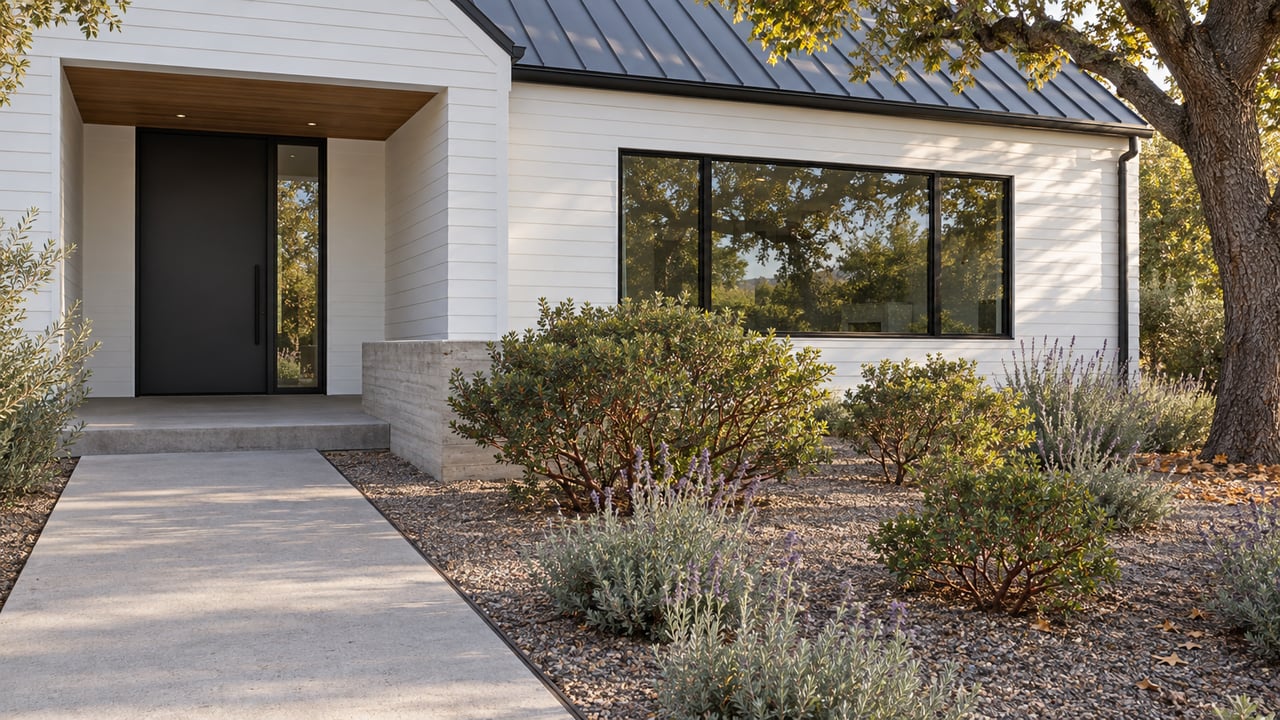
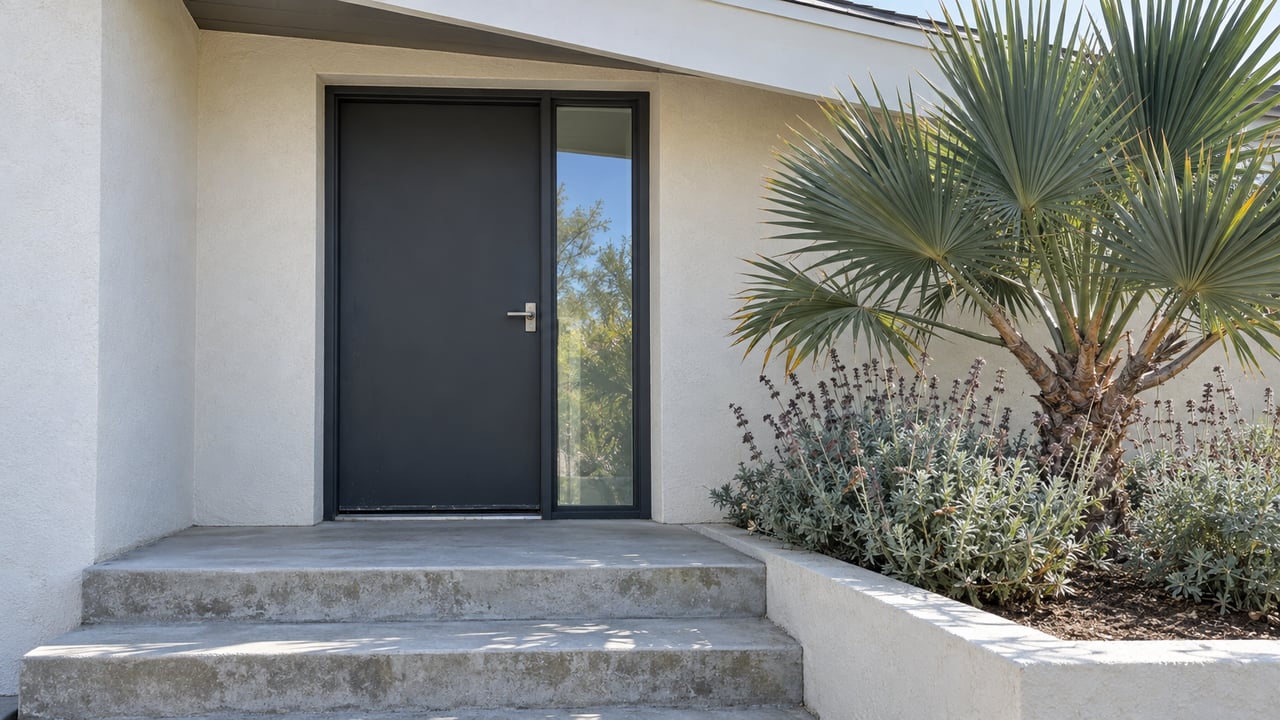
Zone Zero refers to the five-foot perimeter immediately surrounding your home, deck, or any attached structure. California's Board of Forestry and Fire Protection is finalizing regulations that will require homeowners in designated Fire Hazard Severity Zones to create an "ember-resistant" buffer in this critical area. While the rules were originally slated for completion by December 2025, they're now expected to be finalized in early 2026, with full enforcement for existing structures anticipated by 2029.
The concept is straightforward but consequential: this five-foot zone must be cleared of combustible materials that could ignite from wind-blown embers during a wildfire. This includes vegetation (with limited exceptions for well-maintained plants and trees), wooden fences, mulch, dead leaves, and flammable debris.
Why This Matters for Napa Valley Properties
Napa Valley's luxury real estate market has long been defined by its stunning natural surroundings, lush landscaping, and seamless integration with the wine country environment. Zone Zero requirements will fundamentally alter how these properties can be designed and maintained.
Recent updates to California's Fire Hazard Severity Zone maps have significantly expanded high-risk designations throughout Napa County. The valley floor between Calistoga and St. Helena—once largely outside hazard zones—now includes areas designated as "very high" fire hazard severity. Unincorporated Napa County has seen a more than 15-fold increase in "very high" hazard acreage, with substantial portions now classified in the most serious risk categories.
According to Napa County officials, approximately 36 percent of the county's population resides within wildfire hazard severity zones. More than 6,000 residents live in communities designated as "very high" fire hazard areas, including Silverado, Angwin, Berryessa Estates, and Berryessa Highlands.
The Historical Context: Napa's Fire Legacy
The urgency behind Zone Zero isn't theoretical—it's written in the recent history of devastating wildfires that have scarred Napa Valley.
The October 2017 Firestorm remains etched in local memory. Three major fires struck simultaneously:
-
The Atlas Fire burned 51,624 acres east of Napa, destroying 783 structures and claiming six lives
-
The Tubbs Fire swept through 36,810 acres from Calistoga to Santa Rosa, destroying over 5,600 structures and killing at least 22 people
-
The Nuns Fire consumed 56,000 acres in the Mayacamas Mountains
Collectively, these fires destroyed approximately 650 homes in Napa County alone.
The 2020 Fire Season brought renewed devastation:
-
The LNU Lightning Complex Fires became the largest fire in Napa County history, burning roughly one-third of the county—approximately 165,000 acres—and destroying 522 structures
-
The Glass Fire followed just weeks later, burning 40,000 acres across the valley and into the Mayacamas Mountains, destroying 1,022 structures, including numerous wineries and luxury estates
These weren't isolated incidents. Napa County has witnessed 26 wildfires since 2015, with 62 percent of its land area burned since 2017. This relentless pattern of destruction underscores why California regulators view Zone Zero as essential, not optional.
What Zone Zero Means for Current Properties
For existing luxury estates, Zone Zero compliance will require careful evaluation and likely significant modifications:
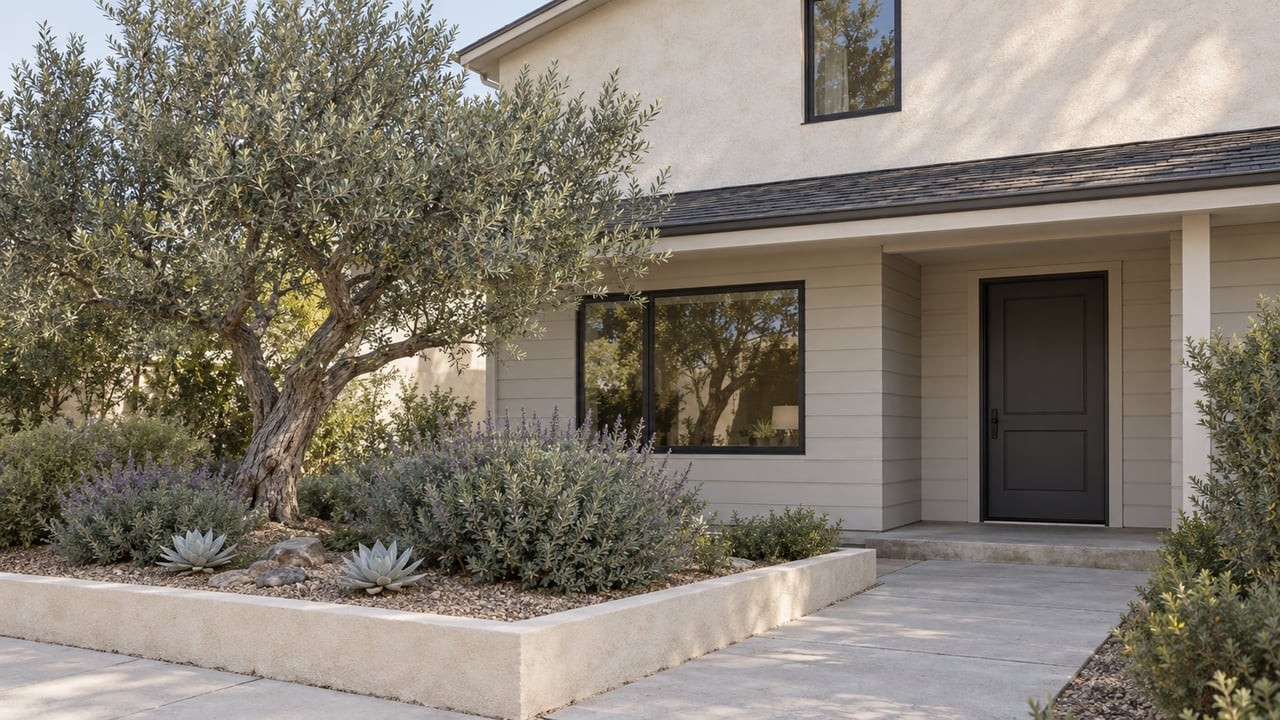
Landscaping Overhaul: The manicured gardens, decorative shrubs, and lush plantings within five feet of structures must be reassessed. While the final regulations are still being debated, options under consideration include:
-
Allowing only potted plants in the zone
-
Permitting plants under 18 inches
-
Allowing well-maintained plants with no dead material
Trees can remain if properly maintained—with branches kept at least six feet above rooflines and canopies maintained at least 10 feet from chimneys and five feet from structures.
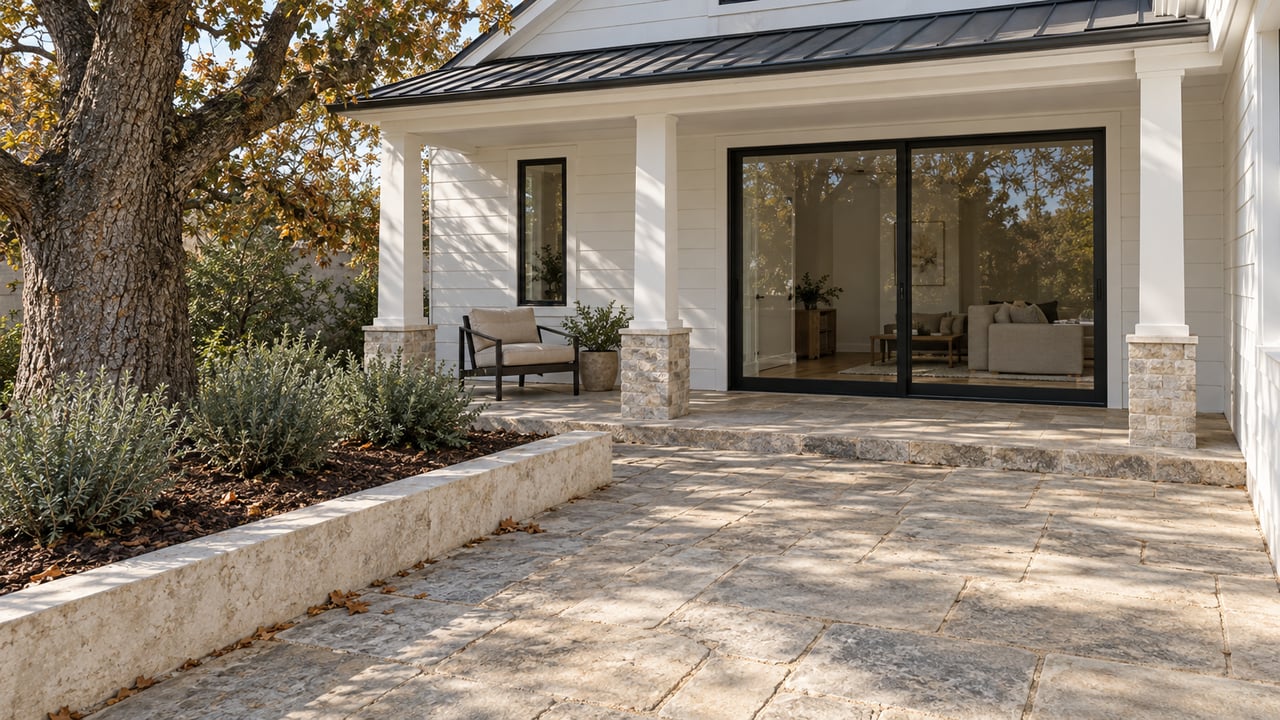
Hardscape Replacement: Wooden decking, fencing, and arbors attached to or within five feet of homes must be replaced with non-combustible alternatives. This means upgrading to materials like:
-
Steel or aluminum fencing
-
Concrete or stone pavers
-
Metal railings and trellises
-
Fire-resistant composite materials
Ongoing Maintenance: Roofs and gutters must be kept clear of leaves, needles, and other debris—a persistent challenge in wine country's oak-studded landscape.
California Homeowner's Guide to Wildfire Preparedness and Recovery
Impact on Property Values and Marketability
The Zone Zero requirements create both challenges and opportunities for luxury property owners:
Compliance Costs: Initial compliance could range from modest (for properties with minimal landscaping near structures) to substantial (for estates requiring extensive hardscaping, fencing replacement, and landscape redesign). Metal fencing typically costs $20-$40 per linear foot, compared with $15-$30 for wood.
Insurance Implications: While California officials maintain that Fire Hazard Severity Zone designations don't directly affect insurance rates, the reality is more nuanced. Insurers are increasingly scrutinizing wildfire mitigation measures. Properties that demonstrate Zone Zero compliance may find it easier to secure and retain coverage in an increasingly challenging insurance market.
Market Differentiation: Forward-thinking sellers who complete Zone Zero upgrades proactively can market their properties as fire-ready and insurance-friendly—potentially valuable differentiators as buyers become more wildfire-conscious.
Aesthetic Concerns: Some buyers may perceive Zone Zero-compliant properties as less aesthetically appealing, particularly if implementation is heavy-handed. However, thoughtful design using high-end non-combustible materials can maintain elegance while meeting requirements.
Financial Assistance and Resources
California has established the Safe Homes grant program to help qualifying homeowners with Zone Zero compliance and fire-resistant roofing. While details are still emerging, the program targets low- and middle-income homeowners in high wildfire risk areas. The state has allocated $3 million initially, though this may not significantly impact the luxury market, where most owners will self-fund compliance.
However, Napa County's fire mitigation efforts have faced setbacks. In 2025, FEMA terminated a $35 million grant supporting fuel-reduction efforts and defensible space programs throughout the county—a reminder that federal support for fire prevention remains uncertain.
Recommendations for Luxury Property Owners
Immediate Actions
-
Determine Your Fire Hazard Zone: Use Cal Fire's online mapping tool to confirm your property's designation
-
Audit Your Five-Foot Zone: Document existing conditions, noting combustible materials and landscaping
-
Consult with Specialists: Engage landscape architects and contractors experienced in fire-resistant design
-
Review Insurance Policies: Understand your current coverage and discuss potential changes with your insurer
Strategic Planning
-
Develop a Phased Approach: If compliance costs are substantial, create a multi-year plan to spread expenses
-
Invest in Quality: Use premium non-combustible materials that maintain your property's luxury aesthetic
-
Document Everything: Keep records of compliance efforts for insurance purposes and future buyers
-
Consider Comprehensive Fire Hardening: Beyond Zone Zero, evaluate whole-property fire mitigation, including roof upgrades, ember-resistant vents, and extended defensible space
Market Positioning
-
Proactive Compliance: Complete upgrades before selling to position your property as move-in ready and insurance-friendly
-
Professional Documentation: Obtain professional certifications of compliance work
-
Marketing Materials: Highlight fire safety features in listings and marketing materials
The Broader Context
Zone Zero represents California's response to an undeniable reality: traditional wildfire prevention strategies haven't protected communities from increasingly destructive fires. Research shows that most homes lost in wildfires ignite from embers, not direct flame contact. The five-foot zone is where embers most often encounter fuel to initiate ignition.
For Napa Valley, with its demonstrated vulnerability to catastrophic wildfires, these requirements aren't bureaucratic overreach—they're a necessary adaptation to the new normal of year-round fire risk.
Looking Ahead
The wine country lifestyle that makes Napa Valley real estate so desirable isn't disappearing, but it is evolving. Properties that successfully integrate fire safety with aesthetic excellence will set the standard for luxury real estate in high-risk areas.
As the Zone Zero regulations move toward final adoption in 2026, property owners who approach compliance strategically—viewing it as an opportunity to enhance rather than diminish their properties—will be best positioned in the market.
The question isn't whether to comply with Zone Zero, but how to do so in a way that preserves and potentially enhances property value while providing genuine protection against the very real threat of wildfire. In Napa Valley, where the past decade has repeatedly demonstrated the destructive power of fire, that's not just good real estate practice—it's essential stewardship of irreplaceable properties in an incomparable landscape.
RESOURCES
LA TIMES: Clashing with the state, L.A. City moves to adopt lenient wildfire ‘Zone Zero’ regulations
CAL Matter: California homeowners could qualify for grants for new roofs and fire safety
PBS: Instagram - Zone Zero is a proposed fire prevention rule
NPR: After devastating LA fires, California is drafting nation's toughest rules for homes
For current information on Zone Zero regulations, visit the California Board of Forestry and Fire Protection website. For property-specific guidance, consult with qualified landscape architects, fire safety professionals, and real estate advisors familiar with Napa County's unique requirements and fire history.