Wondering which part of Napa fits your Wine Country life best? You might crave walkable evenings near tasting rooms, or you might picture morning coffee with vineyard views and extra land. Choosing the right pocket affects your daily rhythm, commute, utilities, and even insurance. This guide compares four Napa areas buyers weigh most, then gives you a clear checklist to make a confident move. Let’s dive in.
How to choose your Napa pocket
Start with lifestyle. Do you want urban convenience or vineyard-edge privacy? Walkability, lot size, and proximity to tasting rooms vary widely across Napa. Think about your daily routines, weekend plans, pets, and guests.
Next, consider practical factors. Utilities and hazards differ across the city. Some hillside or rural-feel areas have higher wildfire exposure, while river-adjacent blocks can intersect with floodplains. Parcels in vineyard-adjacent areas may use septic or wells instead of city sewer and water, which affects renovation plans and costs.
Finally, plan for future value. Inventory and price tiers shift by pocket. Areas near downtown amenities and premium vineyard properties tend to command stronger pricing. Look at resale considerations like walkability, lot size, and neighborhood character, not just the house itself.
Downtown Napa
Lifestyle and character
Downtown has the highest walkability in the city. You are close to restaurants, tasting rooms, boutique shops, galleries, and seasonal events. Expect more pedestrian activity and some tourist traffic, especially near Oxbow and First Street.
Homes and lots
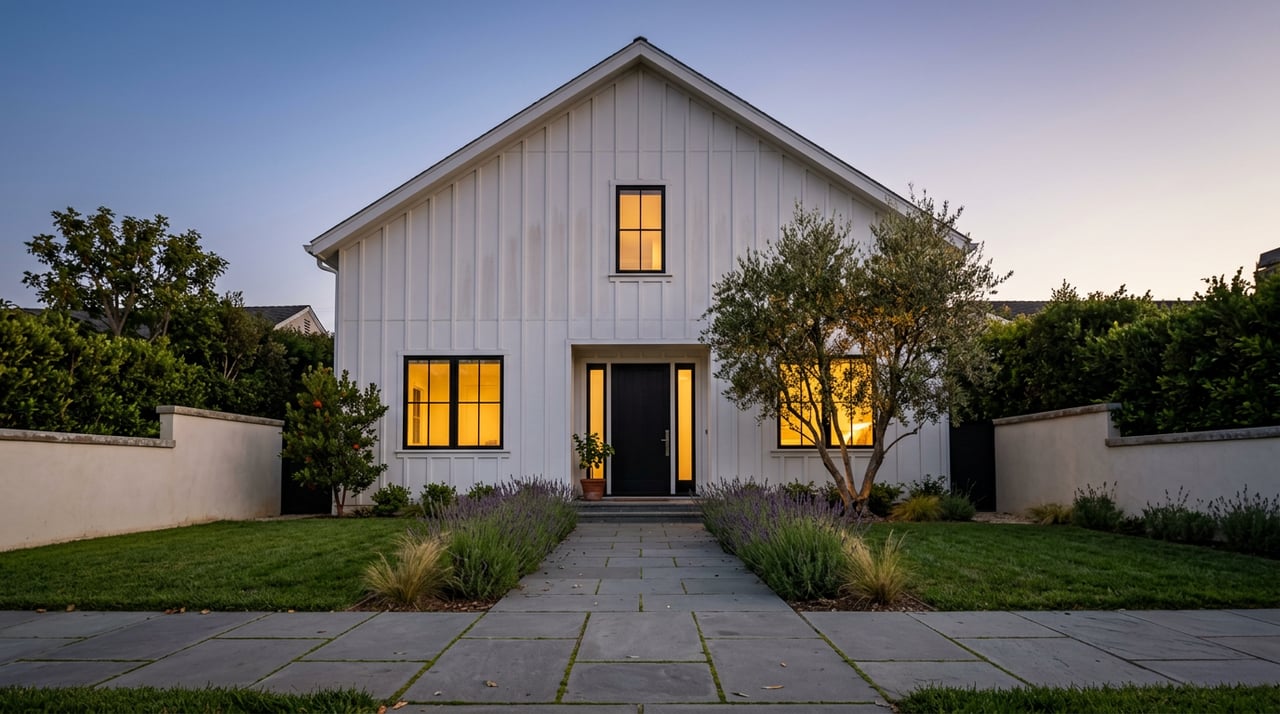
You will find a mix of historic cottages, condos, lofts, and newer infill. Lots are smaller, and there are more multi-family options than in other Napa pockets. Yards are modest, which suits lock-and-leave living.
Amenities and access
Grocery, medical offices, and transit are close by. The Napa VINE bus serves the area, and you have quick access to employment centers. Parking logistics are a practical consideration on some blocks.
Hazards and utilities
Most of downtown is on municipal sewer. Wildfire exposure is generally lower than hillside areas. Near the river, review FEMA floodplain maps before you buy.
Best for: Buyers who want a walkable lifestyle with dining, culture, and easy access to services.
Browns Valley and North Napa
Lifestyle and character
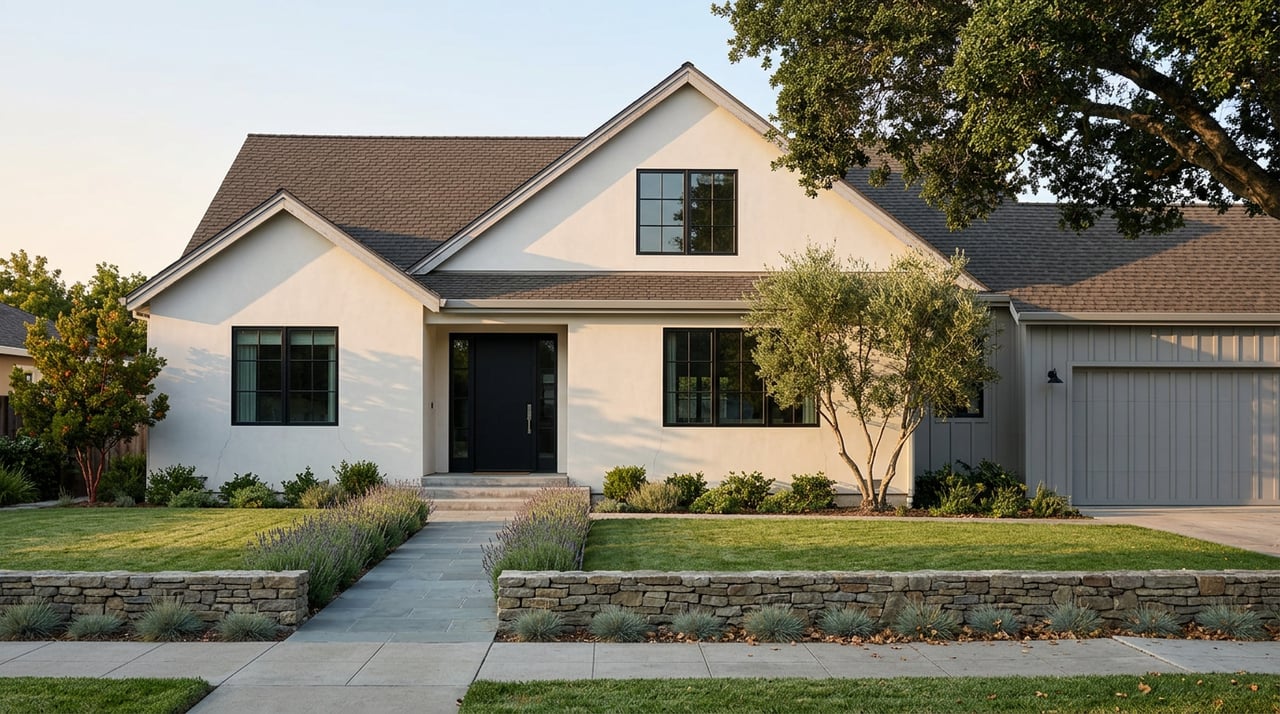
Browns Valley and nearby North Napa neighborhoods feel residential and quiet. These areas are popular with full-time residents who appreciate neighborhood parks and extra yard space.
Homes and lots
Expect mid-century and ranch-style homes, plus some newer subdivisions and townhomes. Lots are medium to large compared to downtown, with room for outdoor living and gardens.
Amenities and access
You have good access to grocery and retail corridors. These areas are primarily car dependent, though not remote. Daily errands are simple, and the commute to downtown is straightforward.
Hazards and utilities
Most blocks connect to municipal utilities. Wildfire exposure is generally lower compared with hillside vineyard zones, though every parcel deserves its own risk review.
Best for: Buyers seeking suburban comfort, yard space, and a quieter pace within city limits.
Coombsville
Lifestyle and character
Coombsville combines rolling hills and open space with a residential feel. You are closer to vineyard operations and rural roads, and the area offers scenic views. It is less pedestrian focused and more about privacy and landscape.
Homes and lots
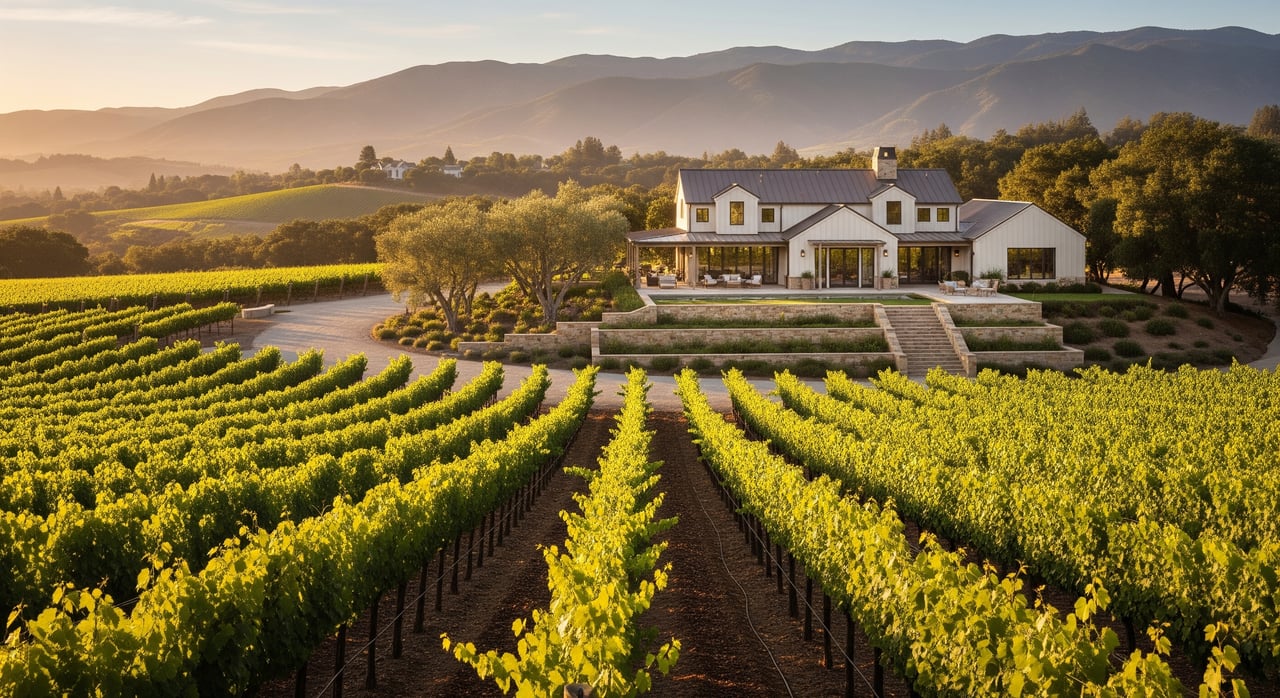
Lots range from suburban parcels to multi-acre properties. You will see luxury homes with vineyard views and a variety of estate-style settings. Space for pools, gardens, and hobby vineyards is common on larger parcels.
Amenities and access
Daily conveniences are a drive away, so plan on using the car for errands. You are near the corridor of tasting rooms along rural routes, which is a draw for many buyers.
Hazards and utilities
Wildfire exposure is higher on hillsides. Some properties use septic systems and possibly private wells. Zoning and agricultural buffers can affect renovation or development plans, so due diligence is essential.
Best for: Buyers who want a vineyard-leaning lifestyle and more land while staying within reach of Napa’s core.
Silverado-area communities and the Trail corridor
Lifestyle and character
East of central Napa, the Silverado corridor offers a strong rural and estate character. Pockets near resort communities mix with private vineyard estates and hillside properties. Privacy, views, and proximity to tasting rooms lead the appeal.
Homes and lots
You will find a range of homes, from single-family to luxury estates, often on larger lots than in the city center. The setting attracts buyers who value quiet and outdoor living.
Amenities and access
Services are not walkable, so you will drive for groceries and daily needs. Scenic drives and wine country recreation are close, which suits weekend hosting and leisure.
Hazards and utilities
Wildfire risk increases in hills and ridgelines. Water and wastewater constraints can apply, and many parcels rely on septic systems. Review permits and prior improvements carefully.
Best for: Buyers who want country estate living, views, and privacy with winery access.
Other nearby pockets to consider
- Alta Heights and West Napa: Hillside neighborhoods with views and a mix of older and remodeled homes. Suburban living with elevation and scenery.
- Transitional zones near Elm Street and Somerston: Varied lot sizes and a blend of older and newer housing. Close to services yet distinct block by block.
- Napa River corridor areas: Walkability and park access can be strong. Some blocks intersect with floodplain designations, so confirm maps and insurance needs.
Head-to-head comparison
| Factor | Downtown | Browns Valley/North Napa | Coombsville | Silverado-area |
|---|---|---|---|---|
| Walkability | Highest in Napa, strong dining and culture access | Car dependent but close to services | Low walkability, car required | Low walkability, car required |
| Lot size | Small urban lots, condos, lofts | Medium to larger suburban lots | Larger parcels, including multi-acre | Larger lots, estate-style |
| Vineyard adjacency | Primarily residential, tasting rooms nearby | Primarily residential | Near vineyards and rural roads | Strong vineyard and rural adjacency |
| Daily rhythm | Busy in seasons, active evenings | Quiet residential | Quiet, scenic, privacy focused | Very quiet, private, resort-adjacent |
| Utilities | Municipal sewer common | Municipal utilities common | Mix of municipal and septic, confirm | Septic common, confirm water |
| Hazard profile | Lower wildfire risk, check flood near river | Generally lower wildfire exposure | Higher wildfire exposure on hillsides | Elevated wildfire risk in hills |
Use this matrix as a starting point. Always review each property’s specific utilities, zoning, and hazard data before you commit.
Practical buyer checkpoints in Napa
- Right-to-farm realities: Napa protects agricultural uses. Expect early morning harvest activity, equipment traffic, and occasional event-related traffic near wineries. Buy with eyes open to seasonal rhythms.
- Zoning and development: Agricultural or vineyard-adjacent parcels can have limits on splits, ADUs, and non-agricultural uses. Remodels may trigger specific reviews. Check planning records for each address.
- Utilities and septic: Septic capacity can limit bedroom additions and guest suites. Confirm sewer access, water source, easements, and any shared well agreements before you plan a remodel.
- Wildfire due diligence: Review fire hazard severity zones and defensible space requirements. Ask about mitigation work, roof and vent upgrades, and insurance history.
- Flood awareness: For river-adjacent properties, confirm floodplain status and whether an elevation certificate is on file. Factor flood insurance into your budget if applicable.
- Short-term rentals: The City of Napa and Napa County regulate STRs. Uses are limited in some residential and agricultural zones. Verify permits and allowed uses before you buy with rental plans.
- Insurance and financing: Fire insurance availability and premiums vary by location. Lenders may have requirements for septic, wells, or off-grid utilities. Get quotes and lender guidance early in your process.
Quick shortlist: choose this if
- Choose Downtown if you want maximum walkability, culture, and low-maintenance living.
- Choose Browns Valley or North Napa if you want yard space, a quieter neighborhood feel, and easy access to everyday services.
- Choose Coombsville if you want a landscaped, vineyard-adjacent setting with room to spread out and do not mind driving for errands.
- Choose the Silverado corridor if privacy, views, and estate living matter more than walkability.
Next steps
Touring these pockets in the same day helps you feel the contrast in pace, lot size, and daily convenience. You can also compare parcel utilities, hazard profiles, and any zoning considerations early, which saves time and stress later. If you want a curated plan with neighborhood previews, vetted property options, and guidance on due diligence from first look to close, connect with Heather Dene. Heather blends hyperlocal insight with a boutique, hospitality-forward approach and Compass tools that help you move with confidence.
FAQs
Which Napa neighborhood is most walkable for dining and tasting rooms?
- Downtown Napa offers the highest walkability, with close access to restaurants, tasting rooms, shops, and cultural venues.
Where can you live near vineyards while staying close to town in Napa?
- Coombsville and the Silverado corridor provide stronger vineyard adjacency and open space while keeping you within reach of city services by car.
What should buyers know about wildfire and flood risk in Napa neighborhoods?
- Hillside and vineyard-adjacent pockets carry higher wildfire exposure, while river-adjacent blocks can intersect with floodplains; verify parcel-specific maps, mitigation work, and insurance needs.
How do utilities differ between Napa neighborhoods?
- Downtown and most suburban pockets use municipal sewer and water, while many rural-feel properties rely on septic systems and sometimes private wells, which affects remodel plans and maintenance.
Are short-term rentals allowed in Napa homes?
- STRs are regulated by the City of Napa and Napa County, and they may be limited in residential or agricultural zones; always verify current rules and permits for the property you are considering.