Coffee on Main Street or sunset over your own vines. Which vision feels more like home to you? If you are deciding between a historic St. Helena cottage and a vineyard estate, you are not alone. Each path offers a distinct lifestyle, budget profile, and set of responsibilities. In this guide, you will learn the key differences in costs, maintenance, rules, and daily living so you can choose with confidence. Let’s dive in.
Market snapshot in St. Helena
Consumer trackers show typical St. Helena home values in the mid to high seven figures. Depending on methodology and timing, indicators often land around the mid 1 millions to low 2 millions. Expect month-to-month variance.
Cottages and bungalows near downtown often trade in the mid single to low seven figures. Renovation level, lot size, and walkability drive pricing. Vineyard-focused estates start at several million dollars and can rise into the tens of millions for larger acreage or production-equipped properties. Per-acre pricing varies by site and scale, and small premium parcels can command higher per-acre prices than very large tracts, as shown in a Napa-focused study on vineyard valuation patterns. You can learn why small vineyards often cost more per acre in this analysis of Napa Valley pricing dynamics by vineyard size at the Western Economic Association’s journal site.
- Read about per-acre pricing dynamics: Why small vineyards often cost more per acre
How the properties live
In-town cottages and bungalows
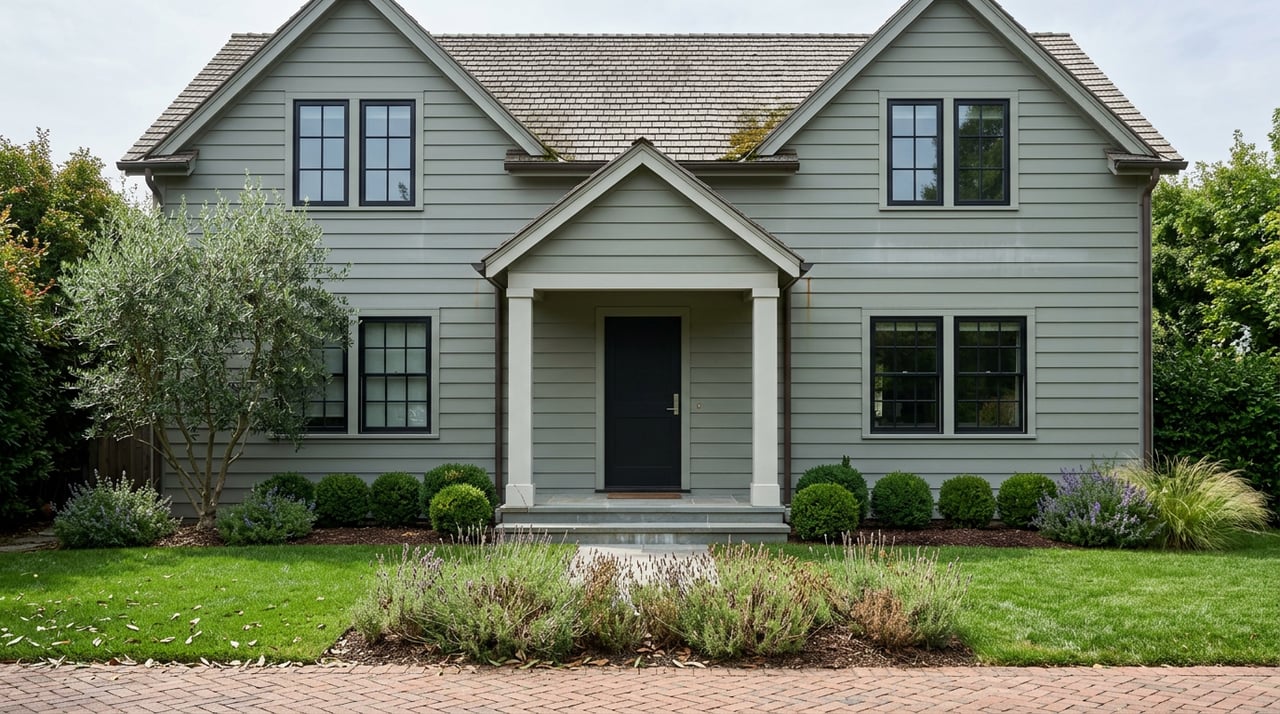
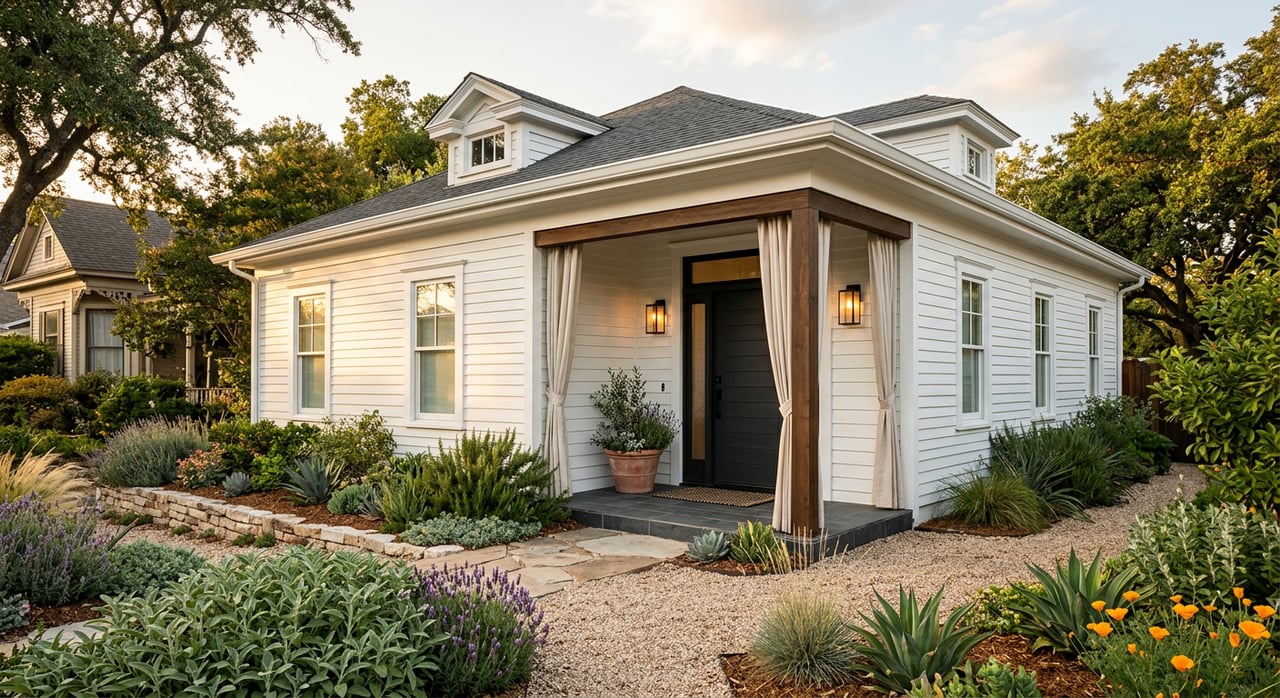
St. Helena’s historic cottages and early 20th-century bungalows sit on smaller lots, often under half an acre, with mature landscaping and charming architecture. The appeal is walkability to Main Street restaurants, tasting rooms, and local services. If you want to be out the door and at dinner in minutes, this setting delivers.
Older homes come with original systems in many cases. Foundations, plumbing, electrical, and roofs may need modernization. You will likely plan for selective updates over time, but day-to-day land care is lighter than on acreage. For an active Wine Country lifestyle with easy access to town, this option is hard to beat. For a quick feel of downtown life and amenities, explore the city overview from the regional tourism site at Visit Napa Valley’s St. Helena guide.
Vineyard estates on the valley floor and hillsides
Vineyard estates span multiple acres to dozens or more, with layouts that can include residences, guest structures, production buildings, and established vine blocks. Valley floor parcels tend to be flatter and more accessible. Hillside sites offer elevation and views, as well as terroir that can be highly prized.
Daily life centers on privacy, outdoor living, and a closer connection to vineyard culture. You trade quick in-town convenience for space and a sense of retreat. If you intend to produce or host visitors, county permitting and winery-use rules will guide what is possible on the property. More on that below.
Cost of ownership
Vineyard operations and farming budgets
If your estate includes vines you will farm, plan for annual operating costs and long-term replanting needs. A North Coast study specific to Napa County shows illustrative annual cash operating costs near about 11.8 thousand dollars per producing acre, with total costs, including capital recovery and non-cash overhead, around 26 thousand dollars per acre per year. Use this as a planning reference rather than a guarantee, and tailor it to your site.
- See the Napa-specific cost study: Sample costs to establish a vineyard and produce winegrapes
Home and grounds maintenance
Historic cottages can have higher near-term renovation expenses. Think roofs, seismic or foundation work, HVAC and electrical updates, and potential abatement of older materials. Routine yard and home care is usually manageable, especially on compact lots.
Estates introduce bigger line items. Expect landscaping across multiple acres, pools, long driveways, private roads, septic and well systems, and the coordination of vineyard crews or management contracts. If the property includes production facilities, factor in specialized maintenance and compliance.
Insurance and wildfire risk
Many hillside areas around Napa carry higher Fire Hazard Severity Zone designations. This can affect building standards and required defensible space. Before you fall in love with a view, review the official mapping and consider what wildfire-hardening work may be needed.
- Check hazard designations: California Fire Hazard Severity Zones
California’s home insurance market has tightened in recent years. Some insurers have paused new policies in higher-risk zones or raised rates. It is smart to obtain quotes early in diligence and confirm any mitigation work insurers may require.
- Understand current insurance conditions: California home insurance challenges
Property taxes
Under Proposition 13, the base property tax rate in California is 1 percent of assessed value. Local voter-approved bonds and assessments are added to that base. In Napa County, review the full tax bill and any parcel-specific assessments before closing.
- Learn how property taxes are calculated: Napa County Property Taxes
Rules that shape your use
Short-term rentals inside St. Helena city limits
If part of your plan includes short-term rental income, know that the City of St. Helena caps the number of short-term rental permits. Operators must register, meet safety and parking requirements, maintain a local contact, and comply with the rules in place at the time.
- Read the city’s requirements: St. Helena Short-Term Rentals
The city’s Transient Occupancy Tax is 13 percent of the room rent, with an additional Napa Valley Tourism Improvement District assessment. Build TOT into your cash flow models to avoid surprises.
- Review TOT details: Transient Occupancy Tax in St. Helena
Winery production, tastings, and events on estates
Napa County regulates winery and visitor activities through use permits. A micro-winery ordinance adopted in 2022 created a pathway for small producers, with limits on production volume, parcel size, trips, and tastings. Larger operations follow the Winery Definition Ordinance and related rules. Many estates cannot operate a public tasting room or host larger events without the proper permits.
- County guidance on estate tastings and events: Napa County winery and event permitting
- Overview of the micro-winery ordinance: Small-producer permitting summary
Which fits your goals?
If you are a move-up buyer seeking a primary residence
You likely want more interior space, proximity to schools and daily services, and less land work. A downtown cottage or bungalow with thoughtful updates often fits well. You keep the convenience of Main Street and a home that is easy to use year-round. Budget for a competitive purchase in the mid single to low seven figures, and include a renovation reserve to make the home truly yours.
If you are a second-home or lifestyle estate buyer
Your priorities may center on privacy, acreage, and the vineyard lifestyle, with the optionality to produce or host small, compliant tastings over time. Start with an acquisition budget in the several-million-dollar range and plan for annual farming, estate maintenance, and insurance. If production or hosting is part of your vision, include time and budget for the county permitting process.
Smart steps before you write an offer
Use this quick checklist to focus your diligence. A strong process reduces risk and clarifies total cost of ownership.
- Pull hyperlocal comps tailored to your target area and property type. In-town cottages and hillside estates move in different micro-markets.
- Review the state fire hazard map and request preliminary insurance quotes early. Confirm hardening and defensible space requirements.
- Verify short-term rental permit availability directly with the City of St. Helena and model cash flow with TOT included.
- For vineyard properties, request documentation on vine age and varieties, water rights and irrigation, vineyard management contracts, and any existing winery or micro-winery permits.
- Ask title to search for any conservation easements or Agricultural Preserve restrictions that could limit development or conversion.
- Order a thorough home inspection and obtain independent estimates for planned renovations or vineyard establishment work.
For resources referenced above:
- Fire hazard mapping: OSFM Fire Hazard Severity Zones
- Insurance environment overview: California home insurance challenges
- City STR rules: St. Helena Short-Term Rentals
- TOT details: Transient Occupancy Tax in St. Helena
- Napa County winery and event permitting: County guidance page
- Vineyard cost study: UC Cooperative Extension sample costs
Your path in St. Helena
If you love the energy of Main Street and want an easy, year-round base, a cottage may be your best fit. If your heart pulls toward sunset rows and long views, an estate can deliver an extraordinary lifestyle, as long as you prepare for the added costs and rules. Either way, a clear plan and the right local guidance make the difference.
You deserve a concierge-level process that feels effortless. With boutique, hands-on service and Compass-backed marketing tools, Heather Dene helps you compare options, source on and off-market opportunities, and model true cost of ownership so your decision is confident and timely. Ready to explore? Heather Dene can help you align the property, the lifestyle, and the numbers. Schedule a Private Consultation.
FAQs
What is the typical price range for St. Helena cottages?
- Many in-town historic cottages and bungalows trade in the mid single to low seven figures, with renovation level, lot size, and proximity to Main Street influencing value.
How much does it cost to farm one acre of vines in Napa?
- A Napa-specific study shows illustrative annual cash operating costs near about 11.8 thousand dollars per producing acre, and total costs around 26 thousand dollars per acre per year, before site-specific adjustments.
Can I run a tasting room from my St. Helena vineyard estate?
- Not without the right permits. Napa County regulates production, tastings, trips, and events, and many estates require a use permit or micro-winery approval before hosting visitors.
How does wildfire risk affect buying in the hillsides near St. Helena?
- Hillside areas often carry higher fire hazard designations, which can affect building standards, required defensible space, and insurance availability and pricing.
Are short-term rentals allowed for homes inside St. Helena city limits?
- The city caps short-term rental permits and requires registration and compliance, and guests incur a 13 percent Transient Occupancy Tax that impacts your cash flow projections.