Thinking about retirement or a downsizing move in Calistoga? You are not alone. For many buyers, the appeal is easy to understand: a smaller town, a more relaxed pace, and a Wine Country setting that feels grounded in everyday livability rather than nonstop activity. If you are weighing whether Calistoga fits your next chapter, this guide will help you think through lifestyle, housing options, budget, and practical planning so you can move with clarity. Let’s dive in.
Why Calistoga Appeals to Downsizers
Calistoga offers something many near-retirees are looking for: scale and simplicity. According to the U.S. Census Bureau’s Calistoga profile, the city had a 2020 population of 5,228, and 25.2% of residents were age 65 or older in the 2020–2024 ACS sample.
That smaller-town profile supports a lifestyle that can feel more manageable than a larger city. Official local tourism information from Visit Calistoga highlights the area’s geothermal hot springs, vineyard scenery, natural mud baths, and relaxed atmosphere, along with an authentic downtown setting.
For day-to-day living, the walkable core matters. Visit Calistoga notes that downtown centers around a few walkable blocks along Lincoln Avenue, where you can move between shops, tasting rooms, restaurants, and events with relative ease. That does not mean car-free living is guaranteed, but it does mean errands and social outings may feel more convenient than they would in a more spread-out community.
Choose the Right Housing Type
One of the biggest retirement or downsizing decisions is not just where you want to live, but how you want to live. In Calistoga, that usually means comparing a single-level detached home, an attached home like a condo or townhome, or a separate senior-living or independent-living arrangement.
These options can support very different lifestyles. Ownership costs, maintenance demands, privacy, and service levels vary, so it helps to think about them as separate choices rather than interchangeable ones.
Single-Level Detached Homes
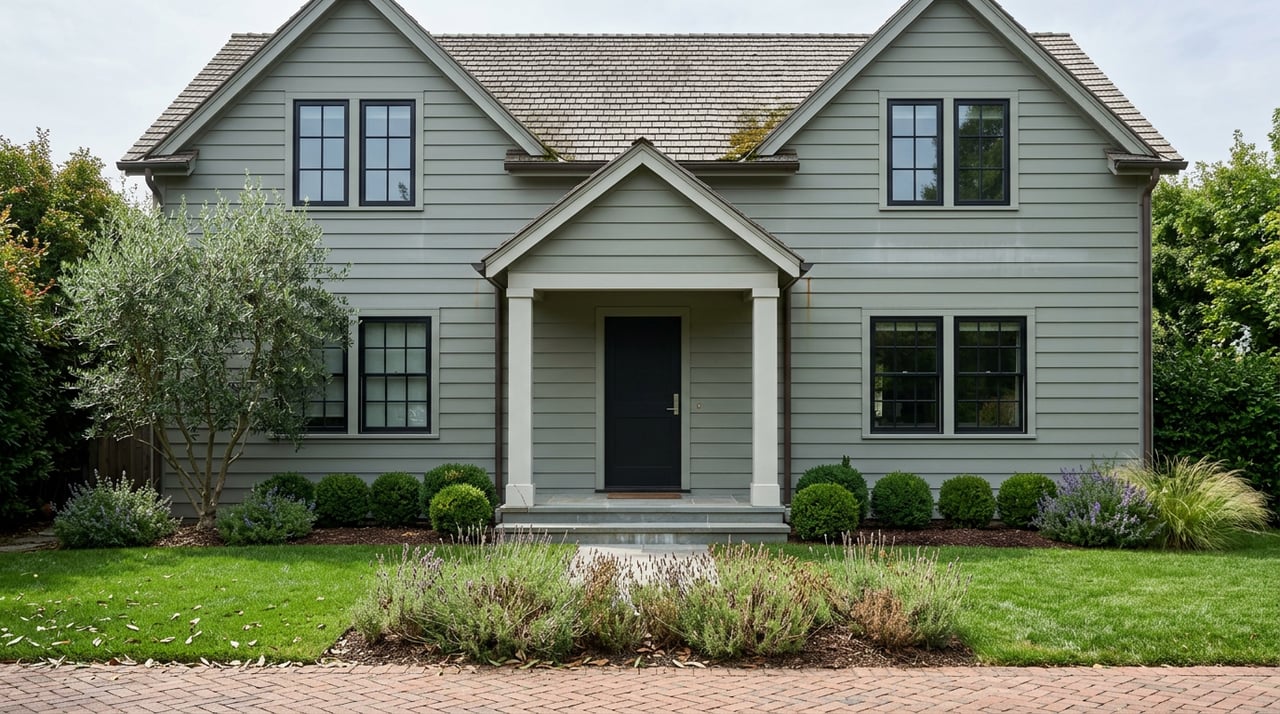
If your goal is to age in place, a one-level home may be the easiest place to start. Redfin’s Calistoga single-story home search showed 19 single-story homes for sale, with a median list price around $1.09M.
That number suggests one-level living is available, but it is not necessarily entry-level by price. In this market, you may need to balance layout and accessibility against lot size, home condition, and location within town.
When you review homes, consider practical features such as:
- No-step entry
- A bedroom and full bath on the main level
- Laundry placement
- Easy garage-to-kitchen access
- Yard size and upkeep needs
- HOA versus non-HOA setting
These details can have a real impact on comfort over time. A beautiful home that requires frequent stairs, extensive exterior maintenance, or a long walk from parking may not feel as easy five or ten years from now.
Condos and Townhomes
Attached housing can offer a simpler ownership experience, especially if reducing maintenance is high on your list. Redfin reported that, in the prior month, Calistoga had 5 condos, 1 townhouse, and 1 multi-family unit for sale on that same local search page.
That tells you two things. First, attached housing does exist in Calistoga. Second, inventory is limited, so you may need patience and flexibility if this is your preferred option.
For some buyers, HOA dues are worth it if they reduce exterior work and provide a more lock-and-leave setup. For others, dues can feel like a poor trade if they would rather control their own property and expenses. The right answer depends on how much maintenance you want to keep on your plate.
Senior or Independent Living
A third option is a service-oriented living arrangement rather than traditional homeownership. This model is different because you are evaluating not only the residence itself, but also the level of support, amenities, and daily structure.
For some retirees, that added support can be a strong fit. For others, a regular home may still feel preferable, especially if they want more independence while staying connected through community programs and local activities.
Think Beyond the Purchase Price
Calistoga remains a high-cost market, and a smart move starts with realistic numbers. According to Realtor.com’s Calistoga market data, there were 50 homes for sale, with a median list price of $2.30M, median days on market of 67, median rent of about $3,995 per month, and a sale-to-list ratio of 93% in February 2026.
At the same time, Redfin’s Calistoga housing market page reported a March 2026 median sale price of $1.6M, with homes selling about 5.9% below list and going pending in about 61 days. The exact numbers differ by source, but the broader message is consistent: Calistoga is expensive overall, and pricing varies significantly by property type, condition, and location.
That variation is important for downsizers. Redfin’s sold examples ranged from roughly $153K to $3.81M, which shows how misleading a single headline price can be. A compact condo, a dated cottage, and a renovated estate do not belong in the same budget conversation.
Monthly Costs Still Matter
If you are selling a larger home and buying something smaller, it is easy to assume your monthly costs will fall sharply. Sometimes they do, but not always.
The Census Bureau reports median selected monthly owner costs in Calistoga of $2,440 with a mortgage and $1,212 without a mortgage on its city quick facts page. Those figures can help frame carrying costs, but your own numbers may look different depending on your purchase price, loan structure, taxes, insurance, and upkeep.
A smaller home can still come with a high purchase price, higher insurance costs, or HOA dues. That is why your move should be modeled around total monthly cost, not square footage alone.
Plan for Medical Access and Daily Routines
Lifestyle matters, but so does logistics. The City of Calistoga medical services page lists Community Health Clinic Ole in town and identifies Adventist Health St. Helena as the closest hospital, 11 miles away and about 18 minutes by car. Queen of the Valley Medical Center in Napa is listed at 27 miles and about 39 minutes.
For retirement planning, the key question is not just whether care exists. It is how easy that care is to reach as your needs change over time.
A home near downtown may support easier walks for coffee, errands, or dinner. But you should also think about how often you may need to drive for primary care, urgent care, specialists, or hospital visits. A location that feels ideal for today should also work for tomorrow.
Local Connection Matters Too
A downsizing move is not only about reducing space. It is also about building a lifestyle that still feels full and connected.
Calistoga offers adult and senior programs through the city, which can support social connection and local engagement whether you choose a detached home, an attached property, or a more service-oriented setup. That can be a meaningful part of aging in place successfully.
Understand California Tax Considerations
Taxes are often one of the most important parts of a retirement move, especially if you already own property in California. The California State Board of Equalization notes that California property taxes are generally limited to 1% of assessed value plus voter-approved indebtedness, and Proposition 13 generally caps annual assessment increases at 2%.
For eligible homeowners age 55+ or permanently disabled, Proposition 19 may allow a transfer of a factored base-year value to a replacement home up to three times, subject to timing and value rules. The same source notes that if the replacement home is purchased before the original home is sold, the replacement property is taxed at full market value until the original sale closes.
This can create meaningful planning opportunities, but it does not make a move automatically inexpensive. Purchase price, insurance, maintenance, travel patterns, and any HOA dues still need to be evaluated together.
Retirement Income Nuances
California does not tax Social Security benefits, according to the California Franchise Tax Board. That can help some retirees as they build a long-term monthly budget.
The state also notes that certain retirement-account early distributions are taxable and may be subject to an additional state tax, as explained by the Franchise Tax Board’s early distributions guidance. If you are using retirement funds to support a move, the timing and structure of those withdrawals deserve careful review.
A Smart Downsizing Checklist for Calistoga
If you want to make a confident decision, start by comparing your move through a few practical filters:
- Your current home equity
- Likely Proposition 19 treatment
- Need for one-level access
- HOA dues versus maintenance responsibilities
- Distance to downtown Calistoga
- Distance to medical services and regular errands
- Yard size and exterior upkeep
- How often you expect to drive to St. Helena, Napa, or Santa Rosa
This kind of planning helps you move beyond the emotional appeal of a home and into the realities of living there well.
Build a Move Around Your Next Chapter
The best Calistoga retirement or downsizing move is not always the smallest home or the newest listing. It is the one that matches how you want to live, what you want to spend, and how much simplicity you want in the years ahead.
If you are starting to compare neighborhoods, home types, or timing, a thoughtful local strategy can make the process much easier. When you are ready to talk through your options in Calistoga and the wider Napa Valley market, connect with Heather Dene for a private, personalized consultation.
FAQs
What makes Calistoga appealing for retirement or downsizing?
- Calistoga offers a small-town scale, a walkable downtown core, and a relaxed Wine Country setting, with 25.2% of residents age 65 or older according to the U.S. Census Bureau.
What housing types should you compare for a Calistoga downsizing move?
- You should compare single-level detached homes, condos or townhomes with HOA dues, and separate senior-living or independent-living arrangements because each option has different costs, maintenance needs, and service levels.
How expensive is the Calistoga housing market for retirees?
- Calistoga remains expensive overall, with Realtor.com reporting a median list price of $2.30M and Redfin reporting a median sale price of $1.6M, while prices vary widely by property type, condition, and location.
How important is medical access when choosing a home in Calistoga?
- Medical access is an important part of retirement planning because Calistoga has in-town clinic access, while the closest hospital in St. Helena is about 11 miles away and Napa hospital access is farther.
How can Proposition 19 affect a Calistoga downsizing move?
- Proposition 19 may allow eligible California homeowners age 55+ or permanently disabled to transfer a factored base-year property tax value to a replacement home, subject to the law’s timing and value rules.
What should you prioritize when touring homes in Calistoga for retirement?
- Focus on no-step entry, a main-level bedroom and bath, laundry location, garage access, yard upkeep, HOA structure, and how close the home is to downtown and medical services.