Choosing a home in Sonoma is not just about square footage or style. It is also about the kind of day-to-day ownership experience you want. If you are deciding between a cottage, condo, or country home, understanding the systems behind each option can save you time, stress, and surprises later. Let’s dive in.
Sonoma Homes Start With Lifestyle
In Sonoma, the right fit often comes down to how you want to live. An in-town cottage, a condo, and a country home can all offer charm, but they come with very different routines, responsibilities, and tradeoffs.
At a practical level, each one runs on a different “operating system.” A cottage usually connects you to city services and the rhythm of town life. A condo can reduce exterior upkeep, but it adds shared governance through an HOA. A country home often offers more land and privacy, but it also asks you to manage more of the property directly.
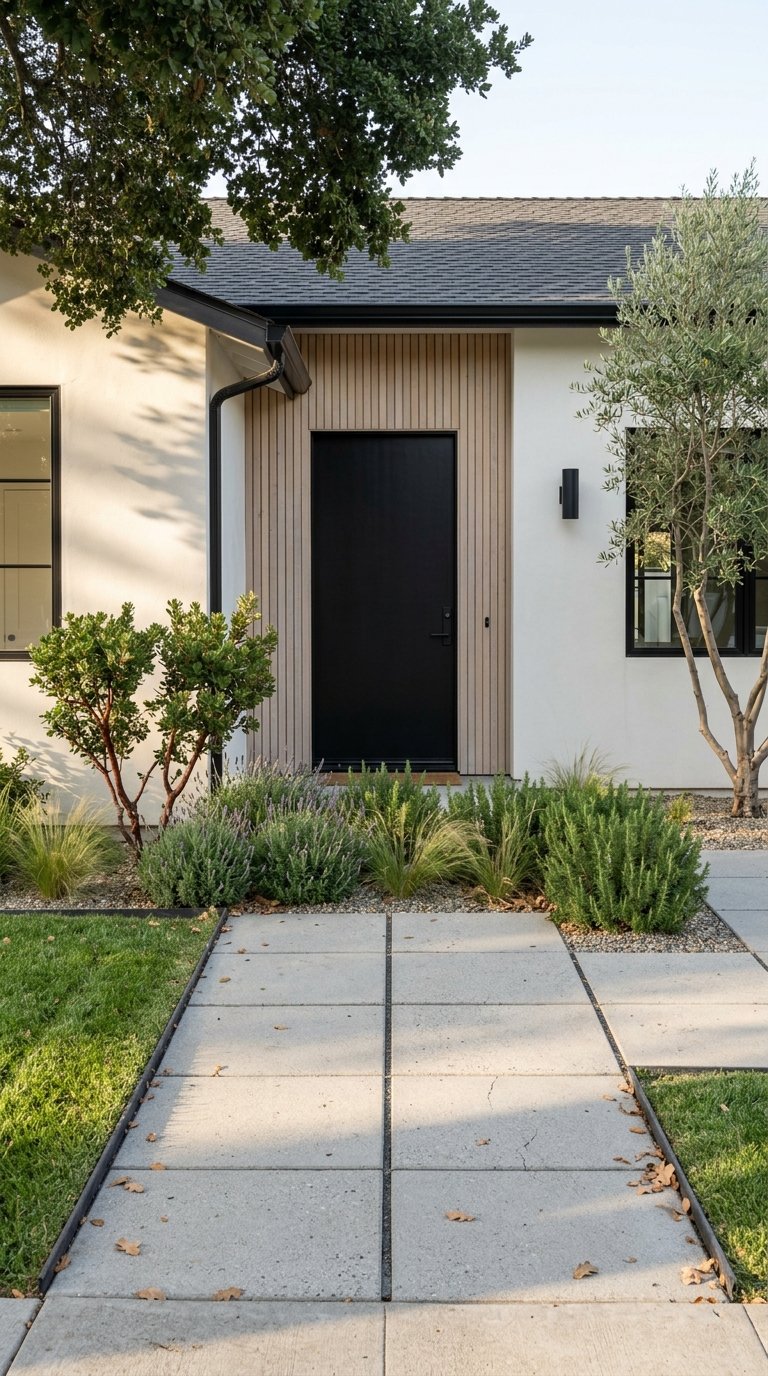
In-Town Cottages Offer Core Sonoma Convenience
If your ideal day includes easy access to Sonoma’s historic center, an in-town cottage may feel like the most natural match. Sonoma Plaza is the city’s 8-acre historic center, with City Hall in the middle and regular market and event activity, so living nearby often means your lifestyle is centered around the town core.
For many buyers, that creates a simple and appealing rhythm. You may have less land to manage, but you gain easier access to shops, dining, tasting rooms, and community events. That trade can be especially attractive if you want Sonoma living without the demands of a larger rural parcel.
City homes also generally use municipal water, with wastewater handled by the Sonoma Valley County Sanitation District. That can make utilities feel more straightforward than they do in rural areas, although city-backed service still comes with infrastructure costs tied to ongoing system updates and reserves.
Why Buyers Choose Cottages
Buyers often gravitate toward cottages when they want:
- Walkability near Sonoma Plaza
- Easier utility service through city systems
- Less parcel-level land management
- A home base that supports a town-centered lifestyle
That said, a cottage usually means giving up some acreage and separation. If open land is high on your list, this option may feel more limited.
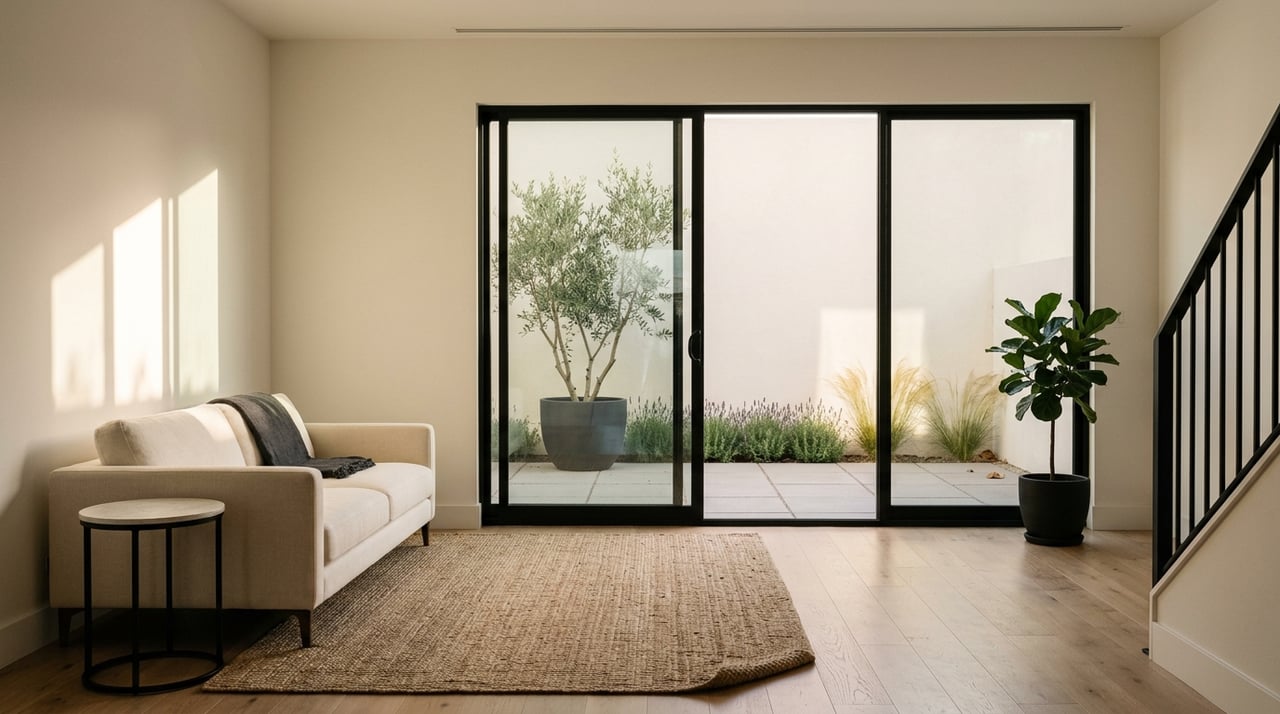
Condos Can Reduce Exterior Upkeep
A condo can be a smart choice if you want to simplify maintenance. In many cases, the association handles common-area repair and maintenance, while owners are responsible for their separate interest and, in some situations, exclusive-use common areas unless governing documents say otherwise.
That structure can reduce the amount of exterior work on your plate. Instead of managing as many property systems yourself, you share responsibility through the HOA. For some buyers, that trade feels efficient and worth it.
Still, a condo is not a maintenance-free option. It simply shifts some of the responsibility from individual ownership to shared ownership and association governance.
What HOA Governance Means
In California, HOAs enforce rules and guidelines for communities such as condominium developments. Members typically pay dues and assessments, and each association can have its own CC&Rs and bylaws.
That means one Sonoma condo community may operate very differently from another. Before you buy, it is important to understand not only the monthly dues, but also the rules, maintenance obligations, reserve health, and disclosure materials tied to that specific association.
Reserve-study rules also matter. California requires a visual inspection at least once every three years and an annual review of the reserve study. In practical terms, that can help you evaluate whether an association appears to be planning well for future repairs or whether special assessments may become a concern.
Questions To Ask About A Condo
If you are considering a Sonoma condo, focus on these areas:
- What do the HOA dues cover?
- What repairs are your responsibility versus the association’s?
- What do the CC&Rs and bylaws allow or restrict?
- How strong are the reserves?
- Have there been recent or pending special assessments?
For buyers who value lower day-to-day exterior upkeep, condos can make a lot of sense. You just want to be comfortable with the shared decision-making that comes with them.
Country Homes Offer Space And Self-Management
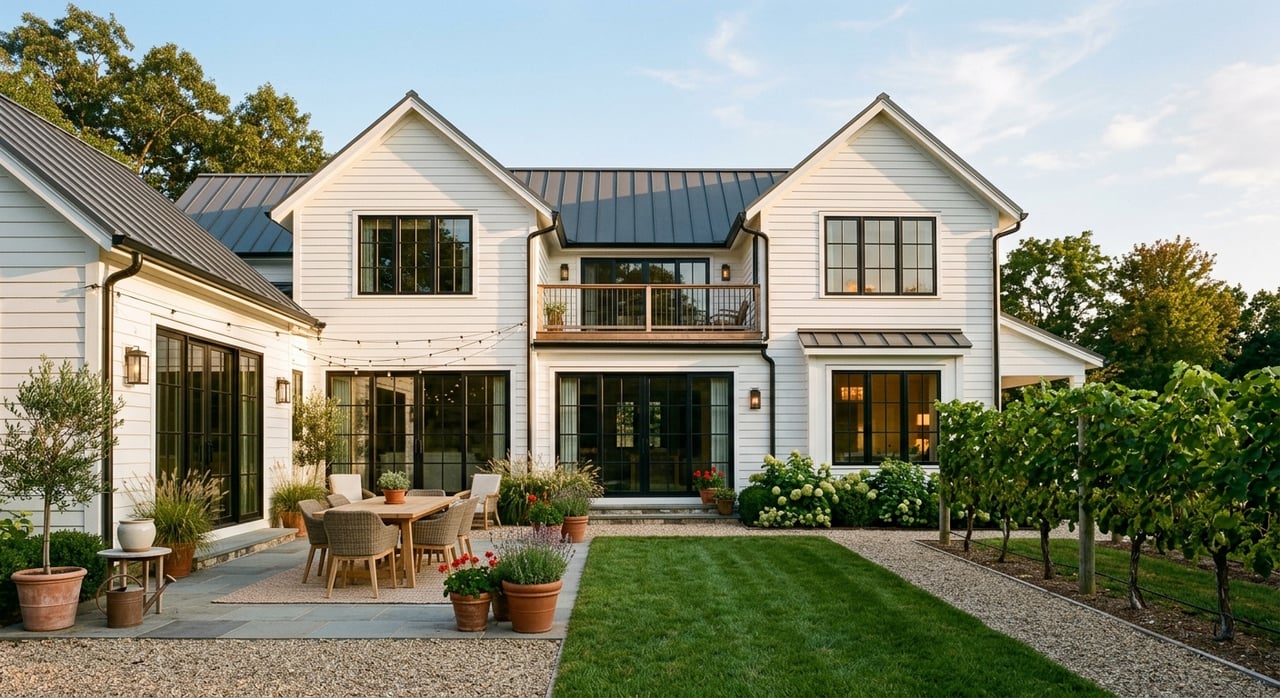
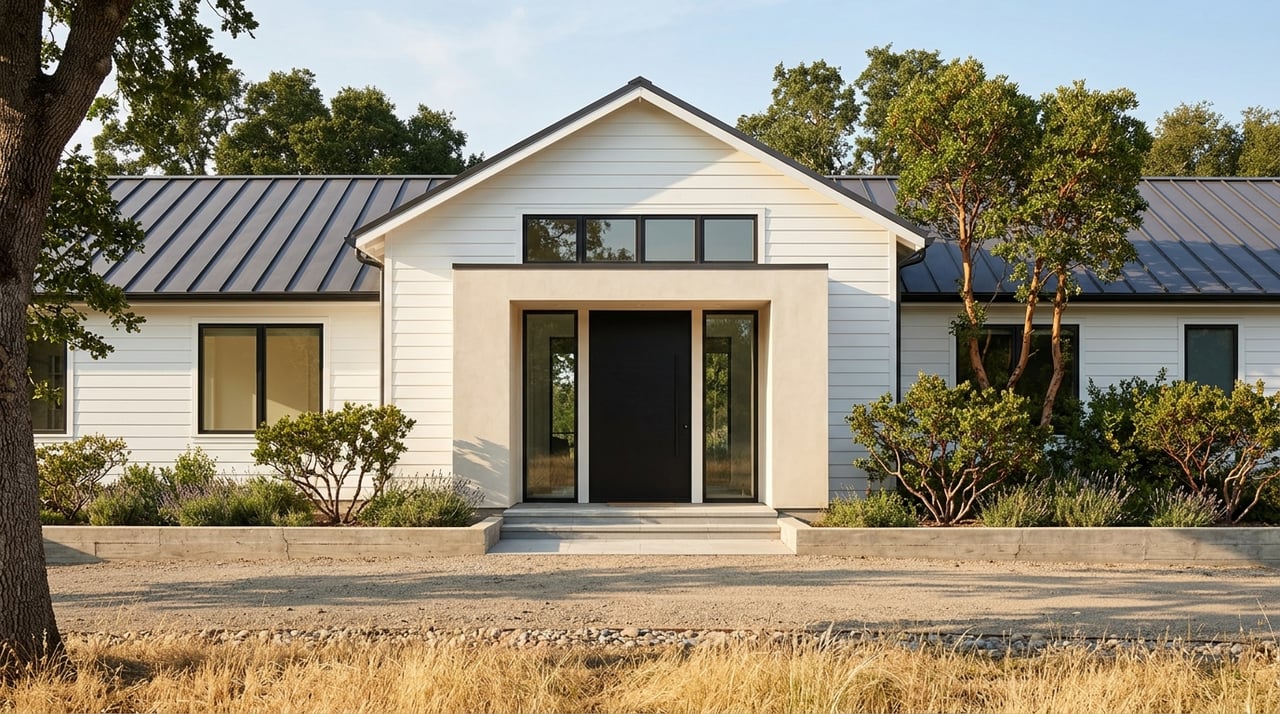
If you picture Sonoma as open land, vineyard views, and a quieter setting near wineries and trails, a country home may be the draw. Sonoma County Tourism describes the countryside as offering proximity to wineries, hiking trails, and destination dining, which helps explain why many buyers are willing to take on more upkeep in exchange for scenery and space.
That lifestyle can be deeply rewarding, but it usually comes with more direct responsibility. Compared with cottages and condos, country ownership often means more diligence around vegetation, water, wastewater, access, and compliance.
In other words, a country home can give you more freedom in some ways, but it also asks more of you as an owner.
Water And Septic Matter More In Rural Areas
One of the biggest differences in a rural purchase is infrastructure. Where public sewer is unavailable, septic is required. Water can also be a major diligence item, especially if a parcel depends on a well or requires review tied to county rules.
Permit Sonoma has suspended non-emergency well permits under a Dec. 17, 2024 court order, and groundwater availability maps and public-trust review areas can trigger extra review or special studies for wells. The county’s well ordinance update also added conservation measures for new wells and meter or reporting requirements for some non-residential wells.
For you as a buyer, this means rural due diligence should be thorough and early. A beautiful setting does not replace the need to understand how the property functions.
Fire Preparedness Is Part Of Rural Ownership
Fire readiness tends to matter more on rural parcels. Sonoma Valley Fire District standards reference Sonoma County Fire Safety Ordinance Chapters 13 and 13A, and CAL FIRE says defensible space and wildfire-resistant construction are key to reducing wildfire losses in the wildland-urban interface.
That does not mean rural ownership is the wrong choice. It means you should expect fire preparedness to be part of the ownership picture, along with ongoing vegetation management and property maintenance.
Agricultural Surroundings Can Affect Daily Life
Sonoma County’s Right to Farm ordinance is another important factor if you are buying near agricultural land. Under county rules, people living near agriculture may experience noise, odors, dust, smoke, insects, machinery at any hour, manure handling, and spray applications, and properly conducted agricultural operations are not considered a nuisance.
For some buyers, that is part of the appeal of country living in Sonoma. For others, it may shape where they want to buy. The key is knowing what to expect before you commit.
How To Choose The Best Fit
None of these options is inherently better than the others. The real question is which systems you want to manage yourself and which ones you would rather share or outsource.
A helpful way to think about it is to match the home type to your preferred routine, not just your visual taste. A charming cottage, polished condo, and scenic country home can all be excellent choices if they support the way you actually want to live.
Choose A Cottage If You Want
- A home near Sonoma Plaza and the town core
- Simpler access to city utility systems
- Less land to maintain
- A more walkable, in-town lifestyle
Choose A Condo If You Want
- Lower day-to-day exterior upkeep
- Shared maintenance through an HOA
- A more lock-and-leave style of ownership
- Comfort with dues, rules, and association governance
Choose A Country Home If You Want
- More land and a more open setting
- Proximity to wineries, trails, and rural Sonoma Valley scenery
- More direct control over your property
- Readiness for extra diligence tied to water, septic, fire, and agricultural conditions
A Smart Sonoma Decision Starts With Clarity
The best Sonoma home is the one that fits your real life, not just your Pinterest board. If you are clear about how much maintenance, governance, land management, and infrastructure complexity you want, the right option becomes easier to spot.
That is especially true in Wine Country, where the lifestyle can look similar on the surface but feel very different in practice. A thoughtful comparison now can help you buy with more confidence and fewer surprises later.
If you are weighing Sonoma cottages, condos, or country homes, Heather Dene can help you narrow the options and find the ownership style that fits your goals.
FAQs
What is the main difference between a Sonoma cottage, condo, and country home?
- The main difference is the ownership experience. A cottage usually centers on in-town living and city services, a condo shifts more responsibility to an HOA, and a country home often requires more hands-on management of land, water, wastewater, and fire readiness.
Are Sonoma condos easier to maintain than cottages or country homes?
- Condos can reduce exterior upkeep because common-area maintenance is typically handled by the association, but you still need to review HOA dues, rules, reserve funding, and potential assessments.
What should buyers know about rural Sonoma country homes?
- Buyers should pay close attention to water, septic, fire preparedness, access, zoning, and nearby agricultural activity, since rural ownership usually involves more property-level due diligence.
Is living near Sonoma Plaza different from living in the countryside?
- Yes. Living near Sonoma Plaza often supports a more walkable, town-centered lifestyle, while the countryside usually offers more land and access to wineries and trails but requires more self-management.
Why do HOA documents matter when buying a Sonoma condo?
- HOA documents matter because they explain the rules, maintenance responsibilities, dues structure, and reserve planning for that specific community, and those details can vary significantly from one association to another.