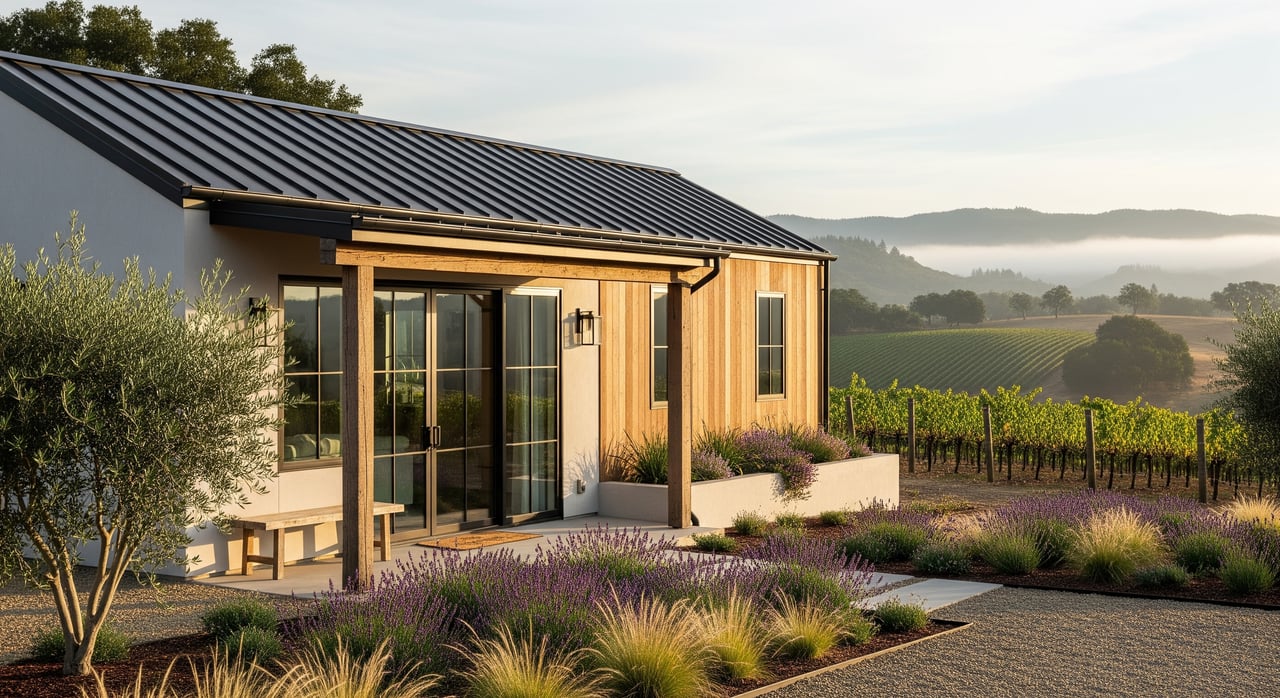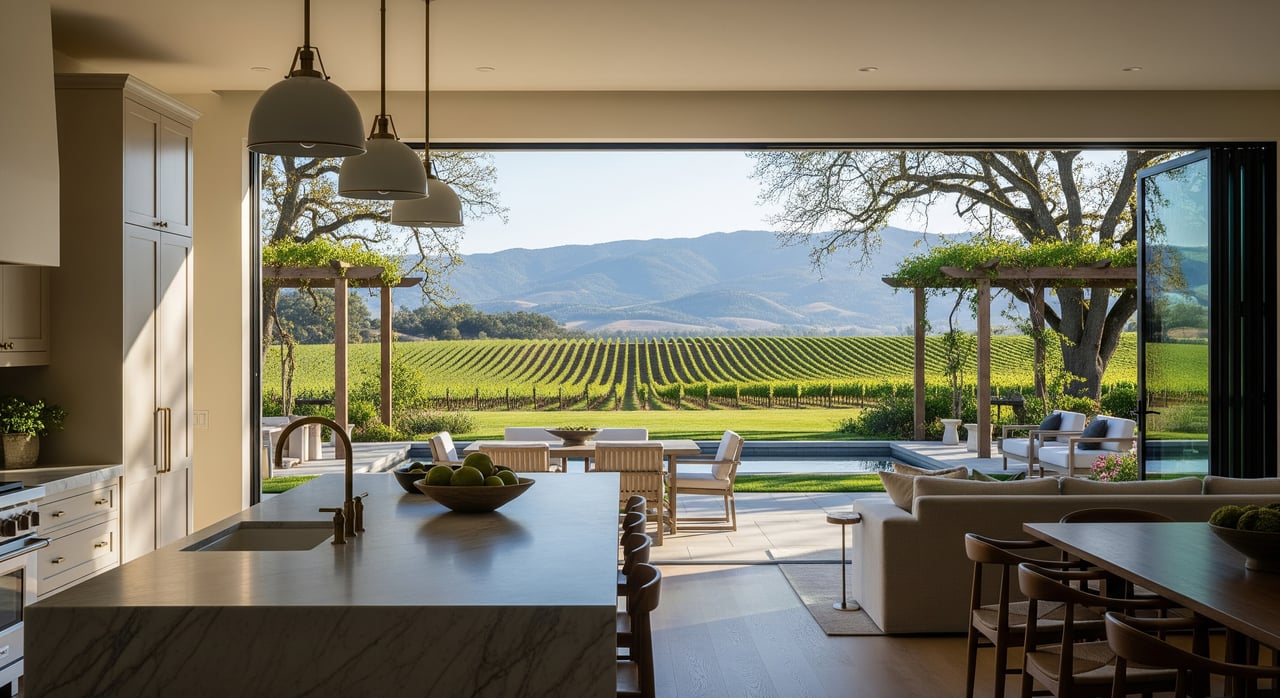
Thinking about trading ocean breezes for vineyard views? If you live in Long Beach and crave more space, slower pace, and weekend-worthy scenery, Napa Valley can feel like the dream. A move this big also comes with new rules, rural systems, and insurance realities that are different from coastal city living. In this guide, you’ll learn what changes to expect, how the market works, and how to plan a smart scouting trip so you can buy with confidence. Let’s dive in.
Why Napa Valley appeals to Long Beach movers
Lifestyle and pace
You move from a dense, coastal city to a small-city and rural mix. Napa Valley centers on wine, hospitality, and outdoor living, with walkable town cores surrounded by open space. You will find high-quality dining and experiences, but fewer late-night options than Los Angeles. Many residents trade variety for access to trails, vineyards, and community events.
Climate and environment
Napa Valley has a Mediterranean climate with warm to hot summer days and cool evenings. You will notice a bigger daily temperature swing than on the coast. Wildfire, drought, and seismic risk are regional realities in Napa County, and smoke and evacuation risk have risen in recent years. Planning for defensible space and emergency routes is part of homeownership here.
Costs and buying power
Both Long Beach and Napa Valley are high-cost markets, but property types differ. In Napa Valley you see more single-family homes, small estates, and agricultural parcels, while high-rise condos are rare. Inventory in desirable pockets can be tight, and rural features like acreage or vineyard potential influence value.
Where to focus your search
Towns vs rural pockets
Town centers like Napa, St. Helena, Yountville, Calistoga, and American Canyon offer shops, restaurants, and shorter drives to services. Rural areas deliver space, privacy, and views, but they often come with private wells, septic systems, and longer drives. Your daily routine should guide your choice: proximity to groceries and healthcare vs acreage and quiet.
Property features to watch
- Vineyard or agricultural parcels may have agricultural zoning and specialized maintenance needs.
- Septic systems are common outside town sewers. Verify capacity, permits, and service history.
- Many rural homes rely on private wells. Confirm well logs, yield, and water quality.
- Conservation easements and agricultural preserves can limit development.
- Parts of the valley floor have floodplain designations. Review flood mapping during due diligence.
Zoning, permits, and land use
Napa County strongly protects agriculture. Converting land to vineyard, building on hillsides, or splitting parcels can require discretionary permits and environmental review. Expect detailed erosion control and runoff management for hillside work. If you plan any changes, budget time for county review and consult planning staff early in the process.
Financing, taxes, and insurance
Second homes often need larger down payments, and many properties exceed conforming loan limits, which means jumbo financing and stronger reserves. Under California’s Prop 13, your property is reassessed at purchase, and annual increases are limited from that new base. Wildfire risk can affect homeowners insurance availability and pricing, and carriers may require mitigation like ember-resistant vents and cleared defensible space. Shop policies early in your search.
Daily life and access
Commuting and airports
Napa Valley is more car-dependent than Long Beach. Highway 29 and Silverado Trail run north to south, CA-12 connects east to west, and I-80 is your quickest freeway access to the Bay Area. Depending on your destination and traffic, driving to San Francisco or the East Bay from the City of Napa often ranges from about 45 to 90 minutes or more. Regional airports include Sonoma County (STS), Oakland (OAK), San Francisco (SFO), and Sacramento (SMF).
Utilities and internet
Most properties use PG&E for electricity. Rural homes may have propane or generators, and many rely on septic rather than municipal sewer. Fixed broadband is common in town, while rural parcels may need wireless or satellite solutions. Always test cell coverage at the property and nearby.
Schools and healthcare
Public school districts vary by town, and there are select private and parochial options. For neutral due diligence, check official district boundaries and program offerings. Healthcare services include local hospitals and clinics in the City of Napa and nearby towns, with specialized care often found in the larger Bay Area.
Services and retail
Daily shopping clusters in towns like Napa, American Canyon, St. Helena, Yountville, and Calistoga. Peak tourism seasons bring more traffic and higher demand for dining and tasting rooms. Plan for reservations on weekends and holidays.
Your 2–3 day scouting itinerary
Pre-trip setup
- Schedule 2–3 property tours with a local REALTOR who specializes in relocations and second homes.
- Complete a lender pre-qualification and speak with an experienced home inspector about timing.
- Review preliminary property reports, parcel maps, and any known easements.
Day 0: Arrival and overview
- Fly into SFO, OAK, or STS and rent a car. An SUV is helpful for rural drives.
- Cruise Highway 29 for a first feel of distances and traffic patterns.
Day 1: Town centers and amenities
- Morning: Explore walkable neighborhoods in the City of Napa. Note supermarkets, hospitals, and services.
- Midday: Visit Carneros and American Canyon for easier highway access and a different price mix.
- Afternoon: Tour listings and run quick internet and cell tests at each stop.
- Evening: Dinner in Yountville or downtown Napa to sample the local dining scene.
Day 2: Wine country drives and inspections
- Morning: Drive Silverado Trail from Napa to Calistoga to compare valley floor and hillside settings.
- Midday: Tour properties with acreage. Ask about water sourcing, septic, and agricultural history.
- Afternoon: If possible, stop by the county planning counter to discuss zoning and permits for specific parcels.
- Evening: Practice access and evacuation routes from shortlisted properties.
Day 3 (optional): Deep dive with pros
- Meet an inspector or geotech specialist on site for well, septic, or soil checks.
- Consult an insurance broker about wildfire underwriting for your shortlist.
- Meet a local mortgage broker and tax advisor to review jumbo and Prop 13 details.
On-property evaluation checklist
- Structure and systems: roof age, foundation, drainage, HVAC age, pest findings.
- Utilities: municipal water/sewer vs private well/septic. Document permits and service history.
- Water specifics: well logs, yield, water rights, irrigation infrastructure, any drought impacts.
- Wildfire readiness: defensible space, vegetation management, and proximity to wildland areas.
- Access and safety: year-round road access, emergency vehicle turnaround, distance to nearest fire station.
- Soil and slope: hillside stability and erosion risk.
- Title and land use: easements, agricultural leases, and rights of way.
- Practicalities: grocery distance, commute times, cell coverage, and broadband speeds.
- Tourism impacts: proximity to tasting rooms, event venues, and seasonal traffic corridors.
- For vineyard parcels: historic yields, pest or disease history, irrigation source, and any labor or equipment needs.
Local professionals to line up
- REALTOR with Napa County relocation and second-home experience.
- Mortgage broker versed in jumbo and second-home financing.
- Home inspector familiar with rural systems, wells, and septic.
- Geotechnical engineer for hillside or complex sites.
- Insurance broker experienced with wildfire underwriting in Napa and Sonoma.
- Land-use or planning attorney for vineyard conversions or parcel changes.
- Vineyard consultant or viticulturist if you plan production.
Logistics, risks, and timeline
The distance from Long Beach to Napa Valley is roughly 350 to 450 road miles, so plan for a long-haul mover or rental truck and extra time for delivery windows. Build in time for specialty inspections and insurance quotes, especially in higher wildfire-risk zones. Sign up for local emergency alerts once you move and learn the nearest evacuation routes. Keep a go-bag during fire season and maintain defensible space.
Short-term rental rules
Short-term rental regulations vary by city and unincorporated areas. Many towns require permits, occupancy limits, and local taxes. Do not assume future rental income without reviewing current ordinances for your target address. Verify rules early if rental flexibility is part of your plan.
What working with Heather looks like
Buying in Wine Country is equal parts lifestyle and due diligence. You get hands-on guidance, local storytelling, and access to Compass programs that elevate your search and presentation when you sell later. From curated itineraries to off-market opportunities, you can expect concierge-level support tailored to Napa Valley living.
Ready to explore your move from Long Beach to Napa Valley? Connect with Heather Dene to schedule a Private Consultation and start your tailored scouting plan.
FAQs
Can I commute from Napa to Bay Area job centers?
- From parts of Napa, commutes to San Francisco or the East Bay are often about 45 to 90 minutes or more depending on your exact route and traffic. Many buyers choose hybrid or remote work.
What climate differences should Long Beach movers expect in Napa?
- Expect warmer summer days, cooler evenings, and a larger daily temperature swing than the coast, with most rain in winter.
How does wildfire risk affect homeowners insurance in Napa Valley?
- Wildfire risk can limit carrier options and raise premiums. Start insurance quotes early and plan for mitigation like defensible space and ember-resistant features.
Do rural Napa properties use wells and septic systems?
- Many do. Verify well logs, yield, and water quality, plus septic capacity, permits, and maintenance history during inspections.
Can I convert a Napa property to vineyards?
- Possibly, but expect strict land-use rules, permit reviews, and potential environmental requirements. Always consult county planning before you buy if this is a goal.
What should I know about short-term rentals in Napa Valley?
- Rules are highly local and change over time. Many areas require permits and have limits, so confirm current ordinances for the specific address before assuming rental income.