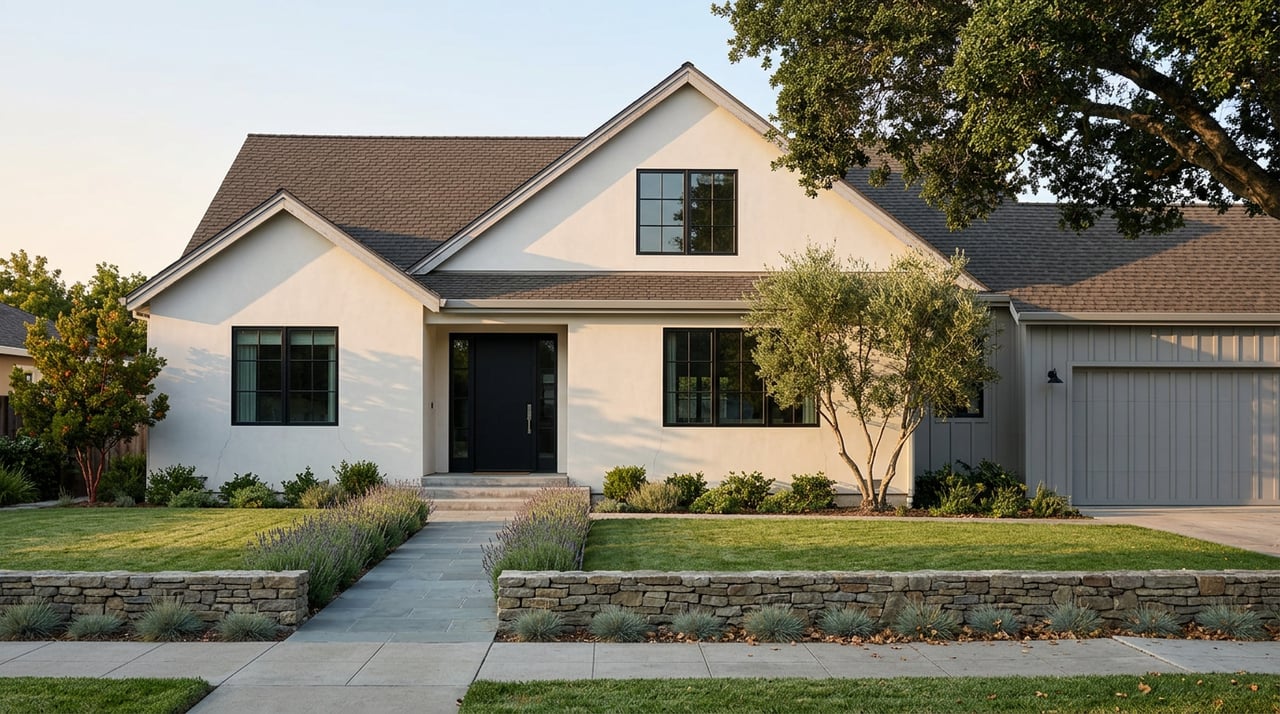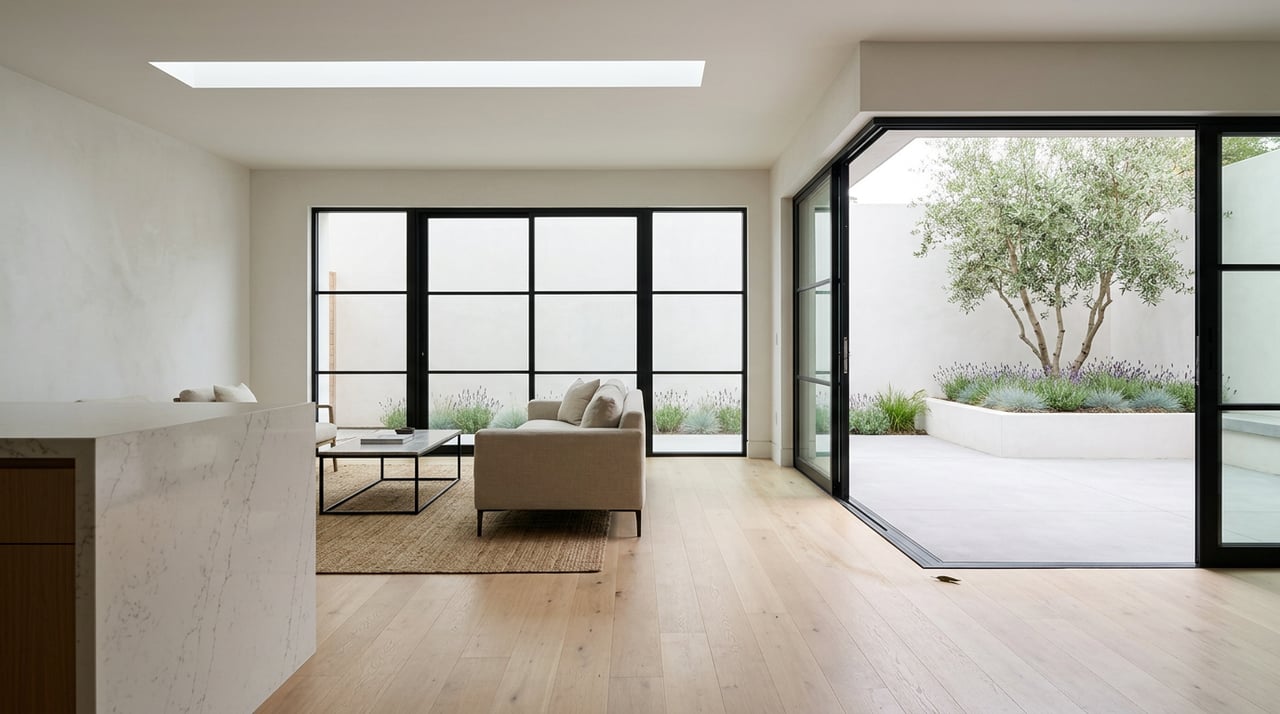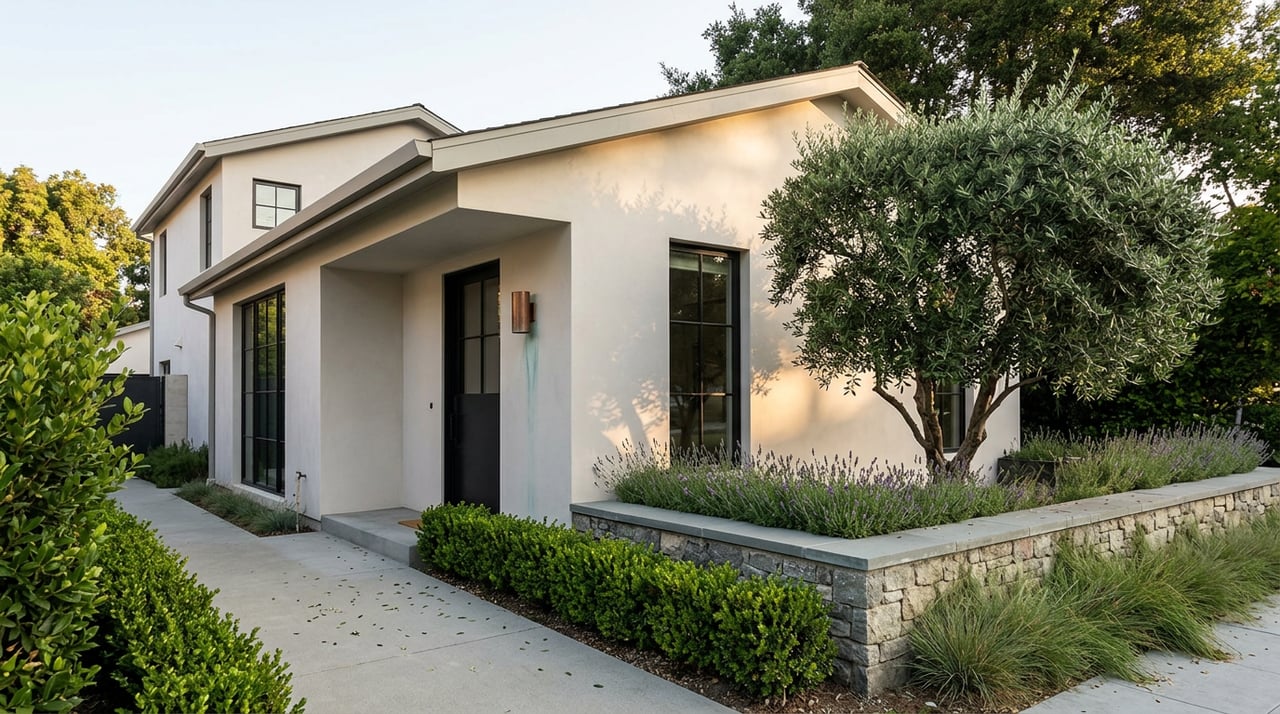
On August 6, 2026, a three-bedroom, one-bath house on Yount Street closed for $950,000, or $935 a square foot. Four days later, a three-bedroom home on Larkspur Street, built in 1973, closed for $2.75 million. That works out to $1,464 a square foot, more than half again as much per foot as the house sold four days earlier, in the same town, in the same week.
If you've been watching Yountville from the outside and noticed that the median sale price is down 17 percent from a year ago, you might read that as a market cooling off. The two sales above suggest something else is happening. In a town this small, the "median" isn't tracking a trend. It's tracking whichever handful of houses happened to close that quarter.
The Number Everyone's Citing
In the three months ending June 2026, Yountville's median sale price came in around $1.2 million, down 17 percent from the same period a year earlier. Homes were also taking longer to sell, a median of 52 days compared with 41 days the year before. On paper, that reads like a softening market.
But only four homes sold in Yountville that June, down from six the prior year. And in that same window, the median price per square foot didn't fall. It rose, up about 13 percent year over year. A market where the headline price drops and the per-foot price climbs at the same time isn't cooling. It's a market where the sample size is too small for a median to mean much of anything.
Eight Sales, One Year, No Pattern
Look at what actually closed in Yountville over the past twelve months, pulled from individual sale records rather than an aggregated median:
| Address | Closed | Sale Price | Price per Sq Ft |
|---|---|---|---|
| 4 Foxglove Lane | Nov 2025 | $1,100,000 | $914 |
| 6 Jasmine Street | Dec 2025 | $1,150,000 | $955 |
| 1914 Oak Circle | Dec 2025 | $2,140,000 | $1,285 |
| 13 Forrester Lane | Mar 2026 | $1,130,000 | $1,052 |
| 1922 Oak Circle | May 2026 | $1,810,000 | $1,023 |
| 1929 Vintner Court | Jun 2026 | $1,450,000 | $1,048 |
| 6802 Yount Street | Aug 6, 2026 | $950,000 | $935 |
| 1885 Larkspur Street | Aug 10, 2026 | $2,750,000 | $1,464 |
There's no month where prices are climbing and no month where they're falling in any consistent direction. A house that closed near $914 a square foot in November sits three doors down, figuratively, from one that closed near $1,464 a square foot the following August. If you tried to draw a trend line through this table, you'd be drawing a trend line through noise.
That's the real story behind Yountville's "17 percent decline." It isn't a decline. It's eight small transactions, each shaped by its own lot, condition, and buyer, getting averaged into a single number that implies a smoothness the market doesn't have.
Why the Range Is Baked Into the Zoning
Part of why Yountville's per-square-foot prices run so high, and so wide, comes down to something the town decided on purpose: houses here are small by design.
Yountville's general plan sets floor area ratios that keep single-family house sizes capped relative to lot size, with the town's own housing policy language describing an intent to retain zoning provisions that limit both lot sizes and unit sizes in single-family districts. The practical result shows up in the numbers. Yountville's average home size runs somewhere in the range of 1,600 to 2,100 square feet, well under the Napa County average of roughly 2,670 square feet.
A smaller house on a smaller lot, in a town with a two-Michelin-star restaurant and a two-block walk to the V Marketplace, doesn't get a lower price. It gets a higher price per foot, because the scarcity isn't square footage. It's the address. That's why a 1,878-square-foot house on Larkspur can sell for $1,464 a foot while a similarly sized house elsewhere in Napa County, with twice the yard and none of the zoning constraint, sells for a fraction of that.
Why Nobody's Building More
If tight zoning explains why homes are small, a fight playing out over the past year explains why more of them aren't coming.
In 2024, the town paid $11 million for the 6.8-acre former Yountville Elementary School site after the school closed due to declining enrollment. By January 2026, town officials had floated a plan for up to 150 workforce housing units across 15 buildings at the site, now known as Yountville Commons, framed partly around a state mandate requiring the town to add 72 new housing units by 2031.
The plan didn't survive contact with the town it was meant to serve. Business owners including French Laundry chef Thomas Keller pushed back, arguing the town needed more outreach on financing and parking before moving forward. Gary Jabara, owner of The Estate Yountville and the town's largest employer, put the objection plainly at an April council meeting:
"We're not Los Angeles; we're not San Francisco; we're Yountville."
A referendum against the rezoning gathered 215 signatures, well past the 174 needed to qualify. On April 7, 2026, the town council voted 4-0 to repeal the zoning change and start over. As of this writing, the site is back to being a dog park, a fitness center, and a farmstand, with no adopted plan for the housing itself.
None of this makes Yountville unusual for a town its size. It does mean that the supply-side pressure pushing prices around isn't going away in the next housing cycle or two. Whatever the town eventually builds, it will be small in absolute numbers, and getting there will take another round of public process.
What This Means If You're Comparing Yountville to St. Helena or Napa
If you're cross-shopping Napa Valley towns using median price as your yardstick, Yountville is going to give you a distorted read no matter which direction the number is moving that quarter. The town simply doesn't sell enough houses in a typical month for a median to smooth out.
What holds up better is price per square foot on recent, comparable closings, plus a conversation about what specific streets and lot types are trading where. A house near downtown Yountville, walkable to Washington Street, is going to price differently than a similar-sized house near the edge of town, and that gap will show up in dollars per foot long before it shows up in any citywide median.
If Yountville's small-lot, small-house character is part of what you're after, that scarcity is a known and durable feature of the town, not a temporary condition the market will correct. If you need more square footage for the same budget, the neighboring towns worth a look are the ones without the same floor area caps.
A Few Questions Worth Asking Before You Compare Towns
Does a falling median price mean Yountville homes are getting cheaper? Not on the evidence from the past year. The median moved on a base of four to six sales a quarter, small enough that a single high or low sale swings the whole number. Price per square foot, which rose over the same period, is the steadier signal.
Why are Yountville houses smaller than homes elsewhere in Napa County? The town's zoning sets floor area ratios that intentionally cap house size relative to lot size, part of a broader effort to preserve the town's low-density character.
Is new housing supply coming to Yountville soon? Not immediately. The town's plan for the former elementary school site was repealed by the council in April 2026 after a voter referendum, and no replacement plan has been adopted. The state mandate calling for 72 new units by 2031 remains, but the path to meeting it is currently back at the drawing board.
If you're weighing Yountville against St. Helena, Calistoga, or downtown Napa and want a read on actual comparable sales rather than a citywide average, Heather Dene can walk you through the recent closings block by block. Schedule a Private Consultation to talk through what your budget actually buys in each of these towns before you make an offer based on a number the market hasn't earned yet.